
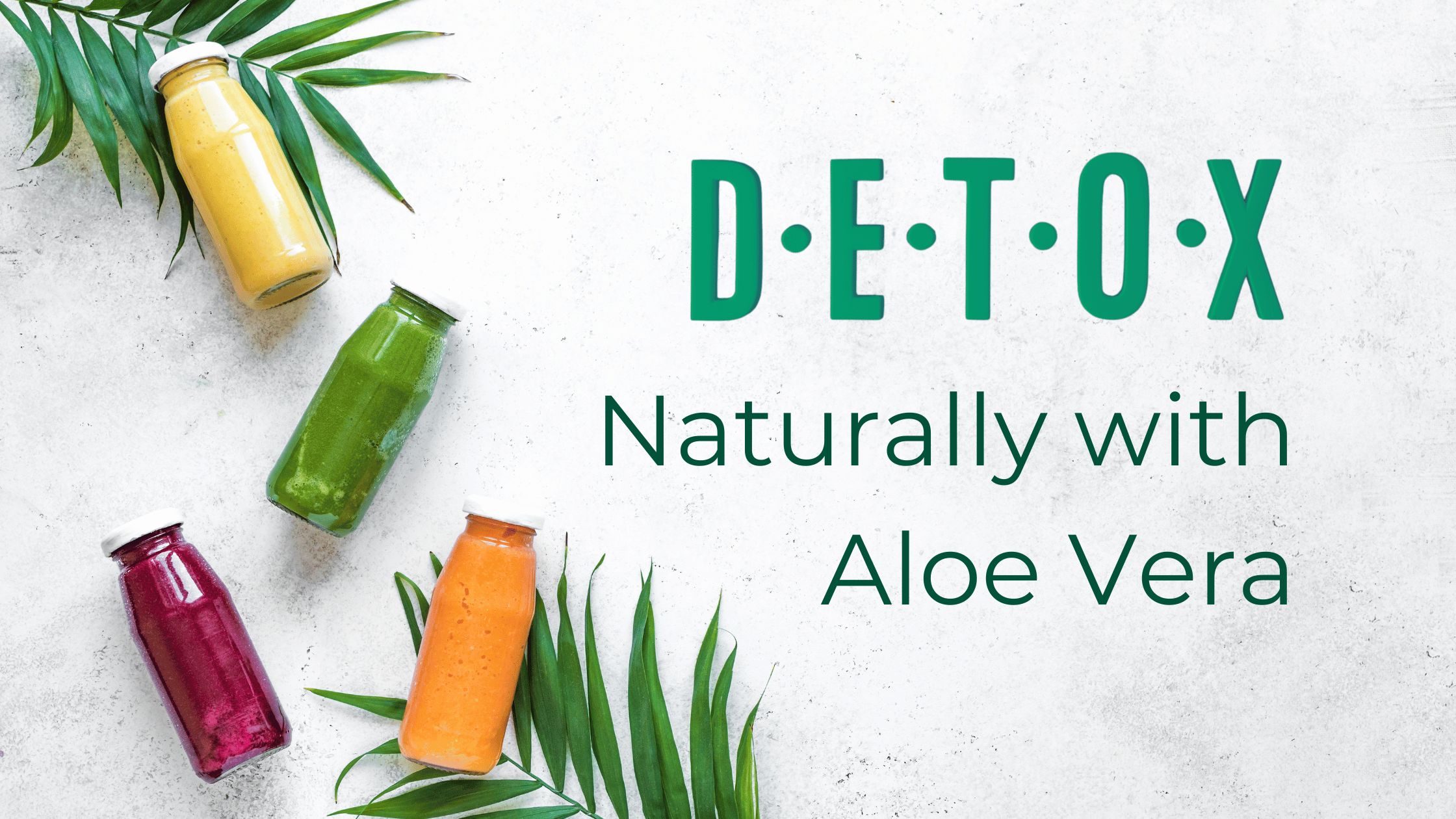
Why South Africans Are Skipping the "Detox" Hype and Choosing Traditional Daily Juice
"Detox" is one of the most successful — and most misleading — words in modern wellness marketing. It sells juice cleanses, supplement protocols, footbath devices, and "weekend resets" by the billion globally. It implies your body is accumulating mysterious toxins and that a special product, taken for a short window, will flush them out.
The reality is more mundane. Your liver and kidneys handle metabolic waste removal continuously, 24 hours a day, without needing a special juice. The "toxins" most detox products claim to remove are rarely named specifically and almost never have measurable before-and-after data behind the claim.
A growing number of South African consumers are getting wise to this — and they're shifting toward a simpler, more honest approach: a consistent daily juice routine, built around traditional ingredients, with no overpromised "detox" claims attached. This post explains why that shift makes sense, what the science actually says about cleansing claims, and where a daily aloe juice routine fits as a real alternative.
For the daily routine itself, see our Daily Aloe Juice Routine guide.
What "detox" actually means (and doesn't)
In medical terminology, "detoxification" has a precise meaning. It refers to specific clinical interventions:
- Heavy metal chelation for diagnosed mercury, lead, or arsenic poisoning
- Substance abuse detoxification under medical supervision for alcohol, opioid, or benzodiazepine dependence
- Acute poisoning treatment in hospital settings
These are real medical procedures. They are not what supermarket "detox tea" or "3-day cleanse juice" products do.
In wellness marketing, "detox" has been emptied of specific meaning. It usually implies:
- Your body has accumulated "toxins" from food, environment, or stress
- These toxins are making you tired, bloated, foggy, or otherwise underperforming
- A short-term product or protocol will remove them
- You'll feel dramatically better afterward
Each of those four claims is largely unsupported. The named "toxins" in marketing copy are typically vague ("environmental impurities," "metabolic waste"). The mechanism by which the product removes them is rarely specified. The before-and-after data is anecdotal at best.
What your body actually does with metabolic waste
A reminder of what's actually happening in there:
The liver
Your liver processes everything you eat, drink, breathe, or absorb through your skin. It runs two phases of metabolic detoxification (Phase I and Phase II — these are real biochemistry terms, not marketing terms) continuously, converting fat-soluble compounds into water-soluble forms that can be excreted. It does this without your conscious input and without needing a special juice.
The kidneys
Your kidneys filter your entire blood volume roughly 30-40 times per day, removing dissolved waste products and balancing electrolytes, water, and pH. They excrete via urine. This also runs continuously.
The lymphatic system
Moves immune cells and tissue fluid throughout the body, helping clear cellular debris and pathogens. Driven by movement (exercise, breathing, muscle contraction), not by a particular drink.
The skin and lungs
Both contribute to waste excretion (skin via sweat, lungs via exhaled CO₂ and volatile compounds).
Summary
You have multiple redundant systems handling waste removal at a sophistication level no over-the-counter product can match. The systems work better when you support them with basic things: adequate hydration, sleep, exercise, varied diet, limited alcohol. They don't work better because you drank a special juice for three days.
Where commercial "detox" products typically go wrong
Most commercial detox products fall into one of three categories:
1. Diuretics dressed up as detox
Many "detox teas" and "cleanse juices" contain ingredients that increase urine output (dandelion, parsley, certain caffeine sources) or stool frequency (senna, aloe-derived anthraquinones at laxative doses). The customer experiences weight loss (mostly water and stool weight) and interprets this as "toxins leaving the body." It isn't. It's normal urine and stool, just more of it, more frequently.
2. Calorie restriction dressed up as detox
A "3-day juice cleanse" that replaces normal meals with low-calorie juice is just calorie restriction with marketing on top. People feel different (lighter, sometimes hungrier, occasionally lightheaded) because they're eating less, not because they're "detoxifying." Sustained dramatic calorie restriction is also not a great idea for most people.
3. Vague-claim products with no mechanism
Products that claim to "support detoxification" without specifying what they remove, by what mechanism, with what measurable outcome. These rely on the customer's faith in the word rather than on any specific evidence.
Regulators such as the South African Health Products Regulatory Authority (SAHPRA) restrict health claims that cannot be substantiated. Many countries have ruled specific detox claims to be misleading advertising. But the marketing keeps adapting because the word continues to sell.
The traditional alternative: a consistent daily routine
There's a much older approach to "feeling well in your body" that doesn't rely on intermittent cleanses: a consistent daily ritual that supports the body's normal functioning.
For a daily aloe juice routine specifically, the framing is:
- Not "detox" — replacement. A 60ml glass of aloe juice in the morning often replaces a sugary fruit juice, a coffee with sugar, or a sweetened breakfast drink. The replacement is the actual change, not the aloe juice doing something exotic.
- Not a short-term reset — a long-term rhythm. Consistency over months is what produces the small cumulative benefits people associate with the routine. A 3-day "cleanse" delivers nothing that 3 days of normal-life choices wouldn't.
- Not a claim about toxins — a contribution to a balanced lifestyle. The juice provides fluid, inner-leaf polysaccharides, and small amounts of vitamins and minerals as part of a varied diet. Nothing more dramatic than that. Nothing less honest.
This is the framing we use for the entire Curaloe daily routine guide and the 30-day approach.
What aloe juice actually contributes to a daily routine
Honestly and specifically:
- Hydration in a low-sugar format. Most South Africans drink less water than they should. Aloe juice with water is a more interesting daily fluid intake than plain water alone.
- Inner-leaf polysaccharides. Inner-leaf Aloe barbadensis juice contains long-chain polysaccharides (including acemannan) that fresh aloe leaves are known for. We explain these in our acemannan post.
- Small amounts of naturally-occurring vitamins, minerals, amino acids. Not enough to replace a balanced diet, but a contributing element.
- A ritual that anchors other habits. Many people who establish a consistent morning aloe juice routine find it helps them anchor other small healthy choices (drinking more water through the day, eating a real breakfast, getting outside).
What aloe juice does NOT do:
- Detoxify your body
- Cleanse your system
- Remove "stored toxins"
- Replace medical treatment for any condition
Anyone who tells you it does is selling you marketing, not science.
What to look for in a real daily juice (not a detox product)
If you're stepping away from detox marketing and toward a real daily juice routine, the 7-point label checklist covers the basics. The short version:
- Single species named (Aloe barbadensis Miller)
- Inner-leaf, not whole-leaf
- Processed close to the farm, soon after harvest
- Short ingredient list
- No added sugars, dyes, or sweeteners
- Reasonable preservative system
- Country of origin disclosed
A product that fits these criteria — like our Curaloe 1L Health Boost — is what daily juice looks like when the marketing claims are kept honest.
What's lost when you skip the detox hype
Some things you'll miss out on:
- The promise of dramatic before-and-after transformations
- The "I'm doing something special and intensive" feeling
- The community of fellow detoxers comparing day-3 cravings
- The marketing-driven sense that something serious is happening
What you get instead:
- A daily habit that's sustainable over years rather than days
- A relationship with your wellness routine that doesn't rely on overclaim
- Money saved on cleanse products that didn't do what they promised
- A more accurate understanding of how your body actually works
For most people, that trade is the right one.
Where the line is
This isn't an argument against trying things. If a wellness product or routine is honestly described and you want to try it, that's your call. The argument is against products that misrepresent what they do.
A daily aloe juice routine is honest about what it is: a daily juice you drink as part of a balanced lifestyle. It doesn't claim to detoxify, cleanse, reset, or transform you. It just sits in your morning, predictably, doing the small thing that daily juices do.
That's enough. The "detox" framing was never necessary in the first place.
FAQ
So aloe juice doesn't have any "cleansing" effect?
Aloe juice has small amounts of naturally-occurring components that, as part of a balanced lifestyle, contribute to overall daily intake of fluid and certain nutrients. It does not "cleanse" or "detoxify" in any clinically meaningful sense. The cleansing language is marketing, not science.
What about aloin? Doesn't aloe vera have laxative properties?
Aloe ferox and whole-leaf Aloe barbadensis products that retain aloin can have a laxative effect at higher doses. Properly produced decolourised inner-leaf aloe juice has very low aloin levels and doesn't function as a laxative. Our decolourised vs whole-leaf post covers this distinction in detail.
If I'm doing a juice cleanse, can I include aloe juice?
You're welcome to include aloe juice as one of your daily fluids. We'd suggest reading our 30-day routine post for what consistent daily use actually looks like versus short-term cleanse protocols.
Are some "detox" products genuinely useful?
A small subset of products marketed under the detox umbrella have legitimate uses (e.g., medical-grade activated charcoal for acute toxin ingestion, prescribed binders in specific clinical contexts). The mass-market detox category is overwhelmingly marketing rather than medicine.
What about doing a "cleanse" once a year as a reset?
Whatever you're trying to accomplish with the annual cleanse is more reliably accomplished by consistent everyday choices the rest of the year. A 5-day juice cleanse can't compensate for 360 days of poor sleep, sedentary work, and processed food.
Note: Curaloe products are food supplements, not medicines. If you are pregnant, breastfeeding, on prescription medication, or have a chronic condition, please consult your healthcare provider before adding any supplement to your routine. Information in this post is educational and not medical advice.
Related: Why Curaloe grows Aloe vera (Aloe barbadensis Miller), not Aloe ferox →


Leave a comment
This site is protected by hCaptcha and the hCaptcha Privacy Policy and Terms of Service apply.