
Effective Natural Skincare Tips for All Skin Types
Natural skincare is not just a trend; it's a lifestyle adjustment that emphasizes the health and sustainability of both our bodies and the environment. By integrating natural skincare products into your daily routine, you not only enhance your skin's overall health but also contribute to a healthier planet. However, the effectiveness of these natural solutions can only be maximized when they are matched correctly with your skin type.
Understanding Different Skin Types
Identifying Your Skin Type
The journey to effective skincare begins with understanding the specific needs of your skin type:
- Normal Skin: This skin type is the least problematic, characterized by a balanced oil and moisture content, leading to a smooth, clear surface.
- Oily Skin: Typically shiny with enlarged pores, oily skin is prone to acne and other blemishes due to excess sebum production.
- Dry Skin: Often flaky, rough, and dull, dry skin feels tight and is more susceptible to wrinkling because it lacks oils and moisture.
- Combination Skin: This type features a mix of oily areas, typically on the forehead and nose, with dry patches on the cheeks and around the eyes.
- Sensitive Skin: Easily irritated skin can react with redness, burning, or itching to various substances that might be benign to other skin types.
Natural Ingredients Beneficial for All Skin Types
Natural ingredients come as a blessing for every skin type, offering gentle results.
1. Hydrating Agents
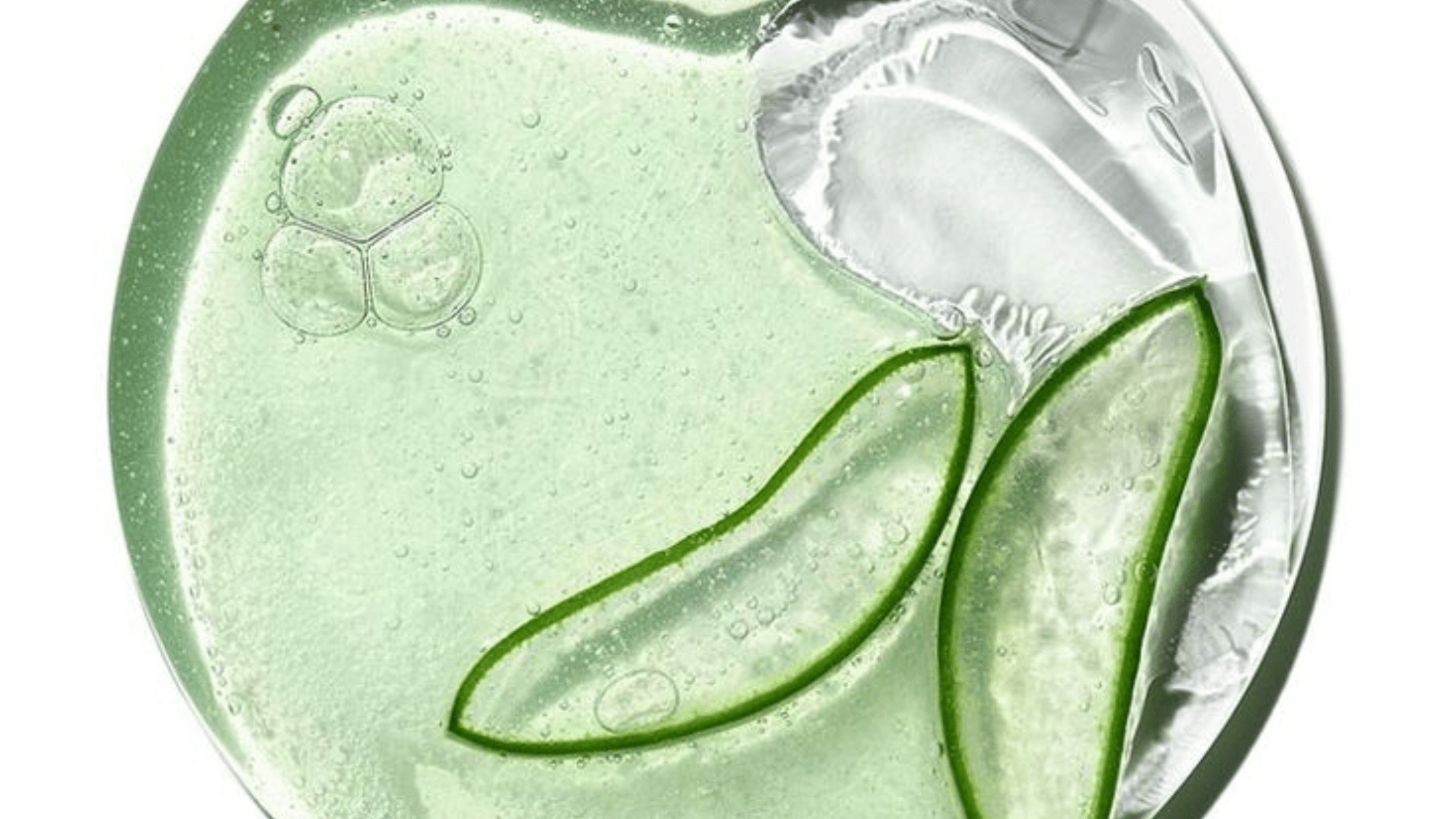
- Aloe Vera: A lightweight hydrator for all skin types that feels soothing after sun or on irritated-feeling skin.
- Honey: A natural humectant, honey attracts moisture, making it a popular hydrating ingredient.
2. Natural Oils
- Jojoba Oil: Its structure closely resembles that of human sebum, making it particularly effective for both oily and dry skin types.
- Coconut Oil: Provides intense hydration and is particularly beneficial for dry skin, though it should be used with caution on acne-prone skin due to its comedogenic properties.
- Tea Tree Oil: A popular ingredient in routines for oily skin (always dilute it).
3. Antioxidant and Calming Ingredients
- Green Tea: Rich in antioxidants, green tea is a popular choice for skin that looks red or feels irritated.
- Chamomile: Known for its soothing effects, it's particularly suited for sensitive or irritated skin.
DIY Natural Skincare Recipes
Embrace the art of creating your own skincare products with these simple yet effective DIY recipes:
Masks and Scrubs
- Oatmeal Face Mask: Ideal for calming sensitive or irritated skin, oatmeal is gentle and moisturising.
- Sugar and Olive Oil Scrub: A great exfoliating scrub, it removes dead skin cells while nourishing the skin, suitable for dry skin types.
Toners and Moisturizers
- Apple Cider Vinegar Toner: Helps balance the pH levels of oily and combination skin, reducing excess oil and minimizing pores.
- Shea Butter Moisturizer: Offers deep moisturization for dry and cracked skin, packed with natural vitamins and fatty acids.
Integrating Natural Skincare into Your Routine
Daily Skincare Routine
The basics of a natural skincare routine involve cleansing and moisturizing. Using natural oils for gentle cleansing followed by layering oils and creams ensures that the skin remains hydrated and nourished throughout the day.
Weekly Enhancements
Exfoliation is crucial but should be done gently to avoid disrupting the skin's natural barrier. Natural exfoliants can be used to remove dead skin cells without the harshness of chemical peels. Deep treatment masks made from ingredients like clay or seaweed can provide intensive care once a week.
Tips for Maintaining Healthy Skin Naturally
Lifestyle Factors
The health of your skin is reflective of your overall health. A balanced diet rich in fruits, vegetables, and adequate hydration supports skin health from the inside out. Managing stress through mindfulness, yoga, or meditation can also significantly improve your skin's condition.
Environmental Considerations
Protecting your skin from the sun and avoiding harsh chemicals are crucial. Natural sunscreens with minerals like zinc oxide or titanium dioxide are a popular alternative to chemical UV filters.
Conclusion
Natural skincare offers a holistic approach to managing your skin's health, which not only enhances your appearance but also contributes to your overall well-being. By understanding your skin type and the natural ingredients that best suit it, you can create a skincare routine that not only addresses your skin's unique needs but also respects the environment.
Related: Why Curaloe grows Aloe vera (Aloe barbadensis Miller), not Aloe ferox →

Leave a comment
This site is protected by hCaptcha and the hCaptcha Privacy Policy and Terms of Service apply.