
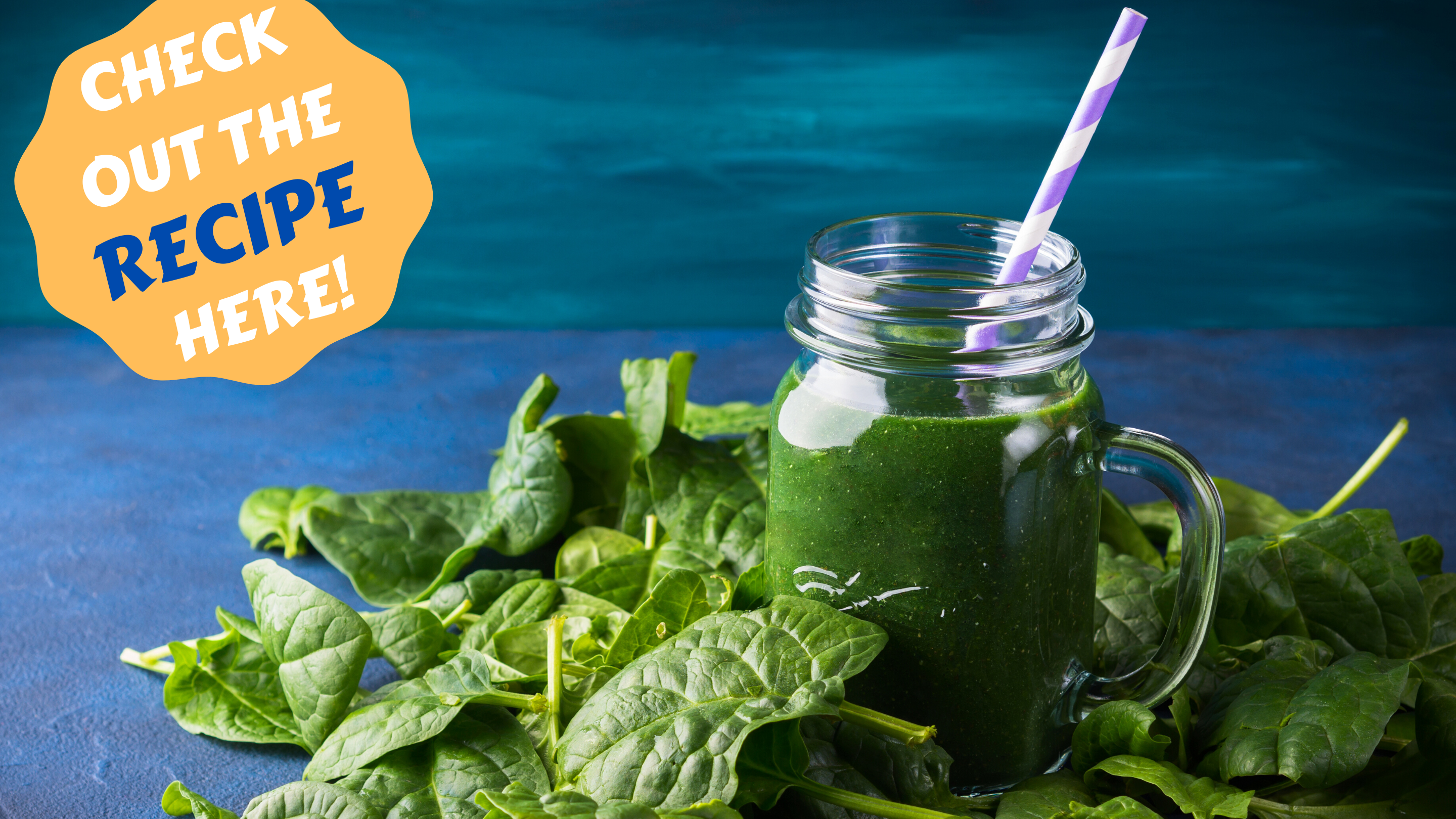
Citrus-Ginger Morning Aloe Smoothie: An Easy Recipe
This is a recipe post — one specific smoothie, in detail. It's the morning drink most of our team reaches for when they want something brighter than the standard banana-and-aloe pour, and it's especially good in autumn and winter when citrus is at its peak in South Africa.
A note up front: this is not an "immune-boosting" smoothie, despite citrus and ginger having that reputation in wellness marketing. We don't make immune claims about aloe juice (the regulations don't allow it, and the evidence base doesn't justify it). What it is: a really good-tasting morning drink built from honest ingredients.
For the full set of 5 SA aloe smoothie recipes, see our aloe smoothie recipes post. For the broader daily ritual context, see the Daily Aloe Juice Routine guide.
Why we're not calling this an "immune booster"
A quick honesty break. "Immune booster" is one of the most common — and most regulated — claims in supplement marketing. South African and EU regulations are clear: food supplements cannot claim to boost or strengthen the immune system without specific approved evidence backing the claim, and aloe vera doesn't have that level of evidence.
What is true:
- Vitamin C (in citrus) plays a normal role in immune function — but no amount of citrus in a single drink "boosts" anything; it just contributes to overall daily vitamin C intake
- Ginger is a long-traditional kitchen ingredient with a warm pungent flavour profile
- Inner-leaf aloe juice contains polysaccharides, which are an active research topic (we cover this in our research post on aloe polysaccharides)
- A balanced lifestyle with adequate sleep, food, and exercise is the foundation of immune function — not any specific drink
So this is just a really good smoothie. Drink it because it tastes good and fits a sensible morning. Not because it'll boost anything.
The recipe
Single serve (350-400ml glass) | ~4 minutes
Ingredients
- 1 large naartjie (or 1 small orange), peeled and segmented, pith removed
- ½ a fresh lemon, peeled, pith removed
- 1cm fresh ginger root, peeled (more if you like it stronger)
- 1 small frozen banana
- 60ml Curaloe Aloe Vera Juice
- 150ml cold filtered water (or coconut water)
- 1 tablespoon honey (raw SA honey if you have it — optional)
- ½ teaspoon ground turmeric (optional — for warmth, not for any health claim)
Method
- Peel the naartjie and lemon. Remove as much of the white pith as patience allows (pith adds bitterness).
- Add the citrus segments, ginger, frozen banana, water, honey (if using) and turmeric (if using) to the blender.
- Blend on medium-high for 40-50 seconds until completely smooth. The frozen banana and the citrus will give the smoothie its body.
- Add the aloe juice. Pulse on low for 5 seconds. (Don't over-blend the aloe — high-speed blending can fragment the polysaccharide content.)
- Pour into a glass and serve immediately. Don't let it sit — citrus smoothies separate within 5-10 minutes.
Ingredient notes
Citrus
Naartjies are at their best from May to August in SA. They give the smoothie a mild, sweet citrus profile without overwhelming acidity. Oranges work as a year-round substitute. Clementines or mandarins are interchangeable with naartjies.
The lemon is the bright top note that lifts the whole thing. Don't skip it.
If you want the smoothie sharper, add the juice of half a grapefruit instead of (or in addition to) the lemon.
Ginger
Fresh ginger root, not ground ginger. The difference in flavour is substantial — fresh has a brightness and heat that ground spice doesn't.
Adjust to taste:
- Subtle: 0.5cm cube
- Standard: 1cm cube
- Strong: 1.5-2cm cube
If you've never used fresh ginger in a smoothie before, start small. You can always add more next time.
Aloe juice
60ml is the standard pour for a single-serve smoothie. New to aloe juice? Start at 30ml for the first week and work up. The flavour is mild enough that the citrus will dominate at either dose.
We use Curaloe Aloe Vera Juice 1L — single-species inner-leaf juice. The reasons for choosing an inner-leaf juice rather than a reconstituted commercial aloe drink are covered in detail in our cold-pressed vs reconstituted post.
Honey
Optional. If you're avoiding added sugar entirely, skip it — the banana and naartjie are sweet enough for most palates. If you do add honey, raw South African honey (Fynbos, Eucalyptus, or Acacia) is the best choice — pasteurised honey doesn't contribute the same flavour complexity.
Turmeric
Also optional. Adds a warm earthy undertone and a pleasant golden colour, but the smoothie is good without it. A pinch of black pepper is sometimes recommended with turmeric for the curcumin absorption story — but in a smoothie context, the pepper bite often clashes with the citrus, so we usually skip it.
What we deliberately leave out
- Wheatgrass / spirulina / chlorella / greens powders — overpower the bright citrus profile and add an earthy taste that fights the recipe.
- Apple cider vinegar shots — some "immune booster" recipes include these. They taste harsh and aren't necessary.
- Cayenne / chilli — common in "wellness shot" formulas. Drinkable, but not pleasant first thing in the morning for most people.
- Vitamin C powder / supplement adds — the citrus already provides more than enough.
When to drink it
Best time: Within 30-60 minutes of waking, on an empty stomach or before breakfast.
Why: Citrus drinks land best on a fresh palate. Coffee dulls the citrus brightness. Heavy breakfasts coat the tongue and reduce the flavour experience.
Practical pattern: Wake → glass of water → make smoothie → drink → coffee + breakfast 20-30 minutes later.
If you're a "rolling out of bed straight to coffee" person, you can drink this after coffee — but you'll get less of the flavour experience. Worth trying it before for a week and seeing which order you prefer.
Variations on the same recipe
Once you've made the base recipe a few times, easy variations:
Summer version (December-February)
Swap the naartjie for a small wedge of fresh pineapple. Adds tropical sweetness. Skip the turmeric. Add a few mint leaves.
Spicier winter version
Increase the ginger to 1.5-2cm. Add a tiny pinch of cinnamon. Use orange instead of naartjie.
Higher-protein version
Add 1 tablespoon of plain unsweetened yoghurt (Greek-style works well). Doesn't change the flavour much; gives the smoothie more breakfast-meal substance.
Lower-sugar version
Replace the banana with ½ a frozen avocado. Surprisingly good — the avocado's neutral fat carries the citrus, the smoothie becomes creamier, and the total sugar drops significantly.
When this smoothie genuinely fits
The honest answer:
- In autumn/winter when SA citrus is at its peak — July naartjies are spectacular; oranges work year-round.
- As an alternative to plain morning juice that fits into a sustainable daily routine.
- When you want a smoothie that doesn't include any greens (some mornings you want a bright, fruit-forward drink, not a green-tasting one).
- As a way to use up citrus that's about to go past its best.
- For people new to aloe juice who find the citrus makes the introduction easier.
When it doesn't fit:
- Pre-workout if you have a sensitive stomach — citrus + ginger can be a lot on an empty stomach during exercise.
- As a daily routine all year round — even great recipes get boring after a year of the same morning. Rotate through the 5 SA aloe smoothie recipes and this one to keep variety.
Skip these mistakes
- Don't leave the pith on the citrus. Bitter, harsh, ruins the smoothie.
- Don't use bottled lemon juice. Fresh-squeezed is dramatically different.
- Don't over-blend after adding aloe. Pulse on low for 5 seconds maximum.
- Don't let the finished smoothie sit. Citrus smoothies separate fast. Drink within 5-10 minutes of blending.
- Don't add ice unless you really want it watered down. Frozen banana is enough chill.
What about a "shot" version?
Some people prefer a small (60-90ml) intense morning shot rather than a 350ml smoothie. For a shot version:
- Juice the naartjie and lemon (rather than blending)
- Grate the ginger and squeeze through cheesecloth (or use a microplane and add the pulp)
- Stir in 30-45ml aloe juice
- Skip the banana, water, and turmeric
The shot version is more intense and easier to drink quickly. The smoothie version is more of a leisurely morning thing. Both work — pick what fits your morning.
FAQ
Can I make this for kids?
Yes, with adjustments: reduce the ginger by half or skip it (some kids find it too spicy), use mild orange instead of lemon-heavy, reduce aloe pour to 15-20ml for primary-school-age kids. Skip the honey for children under 12 months (food safety).
Can I batch-make this for the week?
Citrus smoothies don't keep well — the vitamin C oxidises, the texture separates, the flavour deteriorates within 24 hours. Make fresh each morning.
Why not just take a vitamin C supplement?
You can. The whole-food version delivers fibre and a more pleasant experience; the supplement version is faster. Both are valid choices.
Is this smoothie "anti-inflammatory" because of the turmeric and ginger?
We don't make anti-inflammatory claims. Turmeric and ginger are kitchen ingredients with long traditional use; this is a smoothie using them for flavour, not as a clinical intervention.
Will this help my immune system?
We don't make immune claims. A varied diet, adequate sleep, regular movement, and time outside are the foundations of immune function — no single drink moves the needle.
Note: Curaloe products are food supplements, not medicines. If you are pregnant, breastfeeding, on prescription medication, or have a chronic condition, please consult your healthcare provider before adding any supplement to your routine. Information in this post is educational and not medical advice.
Related reading
- All our daily wellness guides
- 5 South African aloe juice smoothie recipes
- The daily aloe juice ritual
Related: Why Curaloe grows Aloe vera (Aloe barbadensis Miller), not Aloe ferox →


Leave a comment
This site is protected by hCaptcha and the hCaptcha Privacy Policy and Terms of Service apply.