
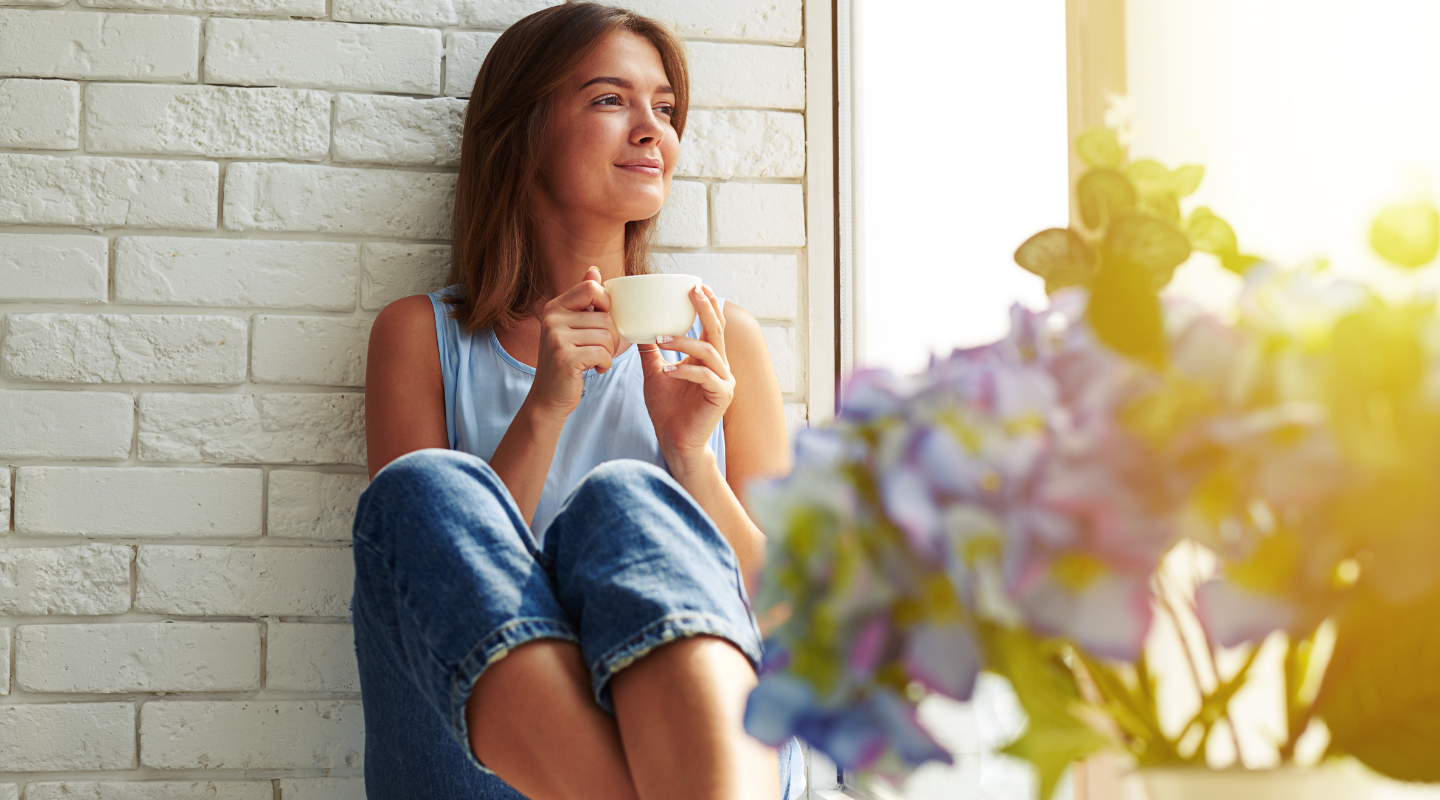
Aloe Juice in Women's Daily Routines: Tradition + Lifestyle
A lot of "women's wellness" content is built around making claims about hormones, cycles, fertility, mood, or specific phases of life — most of which would require pharmaceutical-grade evidence to actually support. South African regulations are clear: food supplements aren't allowed to make those claims, and any product or content that does is overstepping.
This post takes the opposite approach. It's about where a daily aloe juice routine fits in a real woman's day — not as a "hormone balancer," not as a fertility aid, not as a menstrual support — but as a simple, traditional daily ritual that contributes one small element to a broader balanced lifestyle.
For the full daily ritual framework, see our Daily Aloe Juice Ritual guide. For the 30-day approach specifically, see Starting a 30-Day Aloe Juice Routine.
What this post will and won't say
This post is unusual for the women's wellness category because we're being honest about what we don't claim:
Will say:
- Aloe vera has a long traditional use as part of daily juice rituals in many cultures
- A consistent daily routine is one of the more reliable ways to support subjective wellbeing
- Inner-leaf juice contributes hydration, polysaccharides, and small amounts of vitamins/minerals as part of a varied diet
- The ritual itself — the daily pour, the small predictable habit — has value beyond the contents of the glass
Will not say:
- Aloe juice balances hormones
- Aloe juice affects menstrual cycles
- Aloe juice supports fertility
- Aloe juice helps with PMS, perimenopausal symptoms, or menopausal symptoms
- Aloe juice is a "women's product"
We don't make those claims because they would require evidence we don't have, regulatory approvals we don't hold, and a kind of marketing we don't believe in. If you've seen those claims made about aloe juice elsewhere, treat them with scepticism.
Why "women's wellness" marketing tends to overpromise
A pattern in the supplement industry:
- A product is initially marketed to a general audience
- Sales plateau
- Marketing teams identify women as an under-tapped demographic
- The same product gets repackaged with pink branding and claims about hormones, cycles, mood, beauty, or "feminine vitality"
- The product itself hasn't changed; only the marketing has
This pattern is so consistent that "women's [supplement name]" usually means "[supplement name] with additional marketing on top." A daily aloe juice marketed to "support women's hormonal balance" is the same juice with claims it can't back up.
Our men's daily wellness post makes the same point from the other direction. The same juice is appropriate for adults of any gender — no special formulation needed, no gendered claims required.
A traditional framing instead
Stepping out of marketing categories: aloe juice has a long traditional use in cultures around the world (Mexico, India, the Mediterranean, parts of southern Africa) as part of daily ritual drinks. Traditional uses don't constitute medical claims, but they do establish that this is a familiar daily-use category, not a novel product.
Curaloe's specific traditional thread runs from the Caribbean (Curaçao, where the brand's founders originated — see our origin story) to Limpopo, where we now grow Aloe barbadensis Miller at the ACAP plantation.
In all of these traditions, the framing is similar: a small amount of aloe juice as part of a morning routine, taken consistently over months and years, integrated with other daily-life choices rather than positioned as a standalone "solution" to anything specific.
That's the framing we use. It's both more honest and more sustainable than the over-engineered claims approach.
What a real woman's morning routine might include
The everyday SA woman — student, employee, mother, founder, retiree — has wildly varying mornings. A few realistic patterns where aloe juice fits without effort:
The 15-minute morning (school run + commute)
- Wake up, no phone immediately
- Glass of water + 30-60ml Curaloe Aloe Vera Juice while making lunches/coffee
- Get ready, shower, dress
- Quick breakfast (toast, fruit, yoghurt — something) on the move
- Out the door with refillable water bottle
The pre-work meditation/yoga morning
- Wake up
- Glass of water + 30-60ml aloe juice
- 15-20 minutes of yoga, meditation, or stretching
- Shower, breakfast, work
The "I'm not a morning person" morning
- Wake up reluctantly
- Get dressed before doing anything else (commits you to the day)
- Glass of water + 30-60ml aloe juice while waiting for the kettle
- Coffee with breakfast
- Out the door
In all three scenarios, the aloe juice slots in as a 60-second pour that doesn't add effort. That's by design — sustainable daily routines have to be low-friction.
Weekend variant — smoothie format
When there's time for the blender, one of the 5 South African aloe smoothie recipes replaces the straight juice. Same daily intake, different format. Variety helps the routine stay interesting over months and years.
What aloe juice plausibly contributes — honestly
In an everyday daily-use framing:
- A predictable morning ritual. The 60-second pour anchors the start of the day. Predictability supports overall stress management, sleep regularity, and the ability to add other small healthy habits.
- A low-sugar daily fluid. Adding 30-60ml of aloe juice to 200ml of water is a more interesting daily drink than plain water and replaces sugary morning juices for many people.
- Inner-leaf polysaccharides as part of a varied diet. Aloe barbadensis Miller inner-leaf juice contains long-chain polysaccharides (including acemannan) — see our acemannan post for the molecular details.
- Small amounts of naturally-occurring vitamins, minerals, and amino acids as part of overall daily intake.
That's a measured, honest list. It's not dramatic — but it's accurate, and it's what we can say with confidence.
What's NOT in scope for this product
Things that affect women's bodies meaningfully — cycles, fertility, perimenopause, menopause, pregnancy — are medical territory. They're influenced by hormones, genetics, lifestyle, age, and a wide range of factors that no single daily juice changes. If you're seeking support for any of these areas:
- Consult your healthcare provider for medical guidance
- Consult a registered dietitian for evidence-based dietary support
- Be cautious of any supplement marketing that promises specific effects on cycles, fertility, hormones, or symptoms — the regulatory standards for those claims are high and most consumer products don't meet them
A daily aloe juice can be a small consistent element in your overall lifestyle, but it doesn't replace medical care or evidence-based interventions for specific conditions.
On pregnancy and breastfeeding specifically
We get asked this often. The honest answer:
During pregnancy and breastfeeding, please consult your healthcare provider before starting any new supplement, including aloe vera juice.
This isn't a copout — it's the appropriate standard of care. Pregnancy and lactation have specific nutritional considerations that go beyond what general daily-use guidance can address. Some forms of aloe (whole-leaf, high-aloin) are specifically contra-indicated during pregnancy. Even decolourised inner-leaf juice should be cleared with your healthcare provider before regular use during pregnancy or while breastfeeding.
How aloe juice fits in a long-term lifestyle
The most useful framing for any daily-use product is the long view. Specifically:
- Routines that survive months and years are routines that fit your real life — not the idealised morning routine you'd have if you had different circumstances
- Daily juice (any kind) is a marathon, not a sprint — what you do consistently for 5 years matters more than what you do intensely for 5 days
- The same routine that worked at 28 may need adjustment at 48 — flexibility matters. The intake might shift, the format might shift (juice → capsules → smoothie variant), the time of day might shift
- Pair it with the rest of your life — sleep, movement, real food, social connection, time outside — those are the foundations. Daily juice is one supportive element, not a substitute
This long-view framing is the same one we use in our 30-day routine guide and our men's daily wellness guide. It's the only framing that holds up over time.
Travel and format flexibility
Many women travel for work, holiday, or family commitments — sometimes regularly. The juice bottle isn't always practical. Our travel-friendly aloe post covers the 500ml bottle and capsule options in detail.
For most travellers, the practical answer is: 1L bottle at home for the morning routine, capsules in the travel bag for everything else.
FAQ
Is aloe juice safe for women to drink daily?
For most healthy adult women, properly produced inner-leaf aloe juice within the suggested daily serving (30-60ml) is generally considered suitable for daily use. Pregnant and breastfeeding women should consult their healthcare provider first. People with chronic conditions or on medications should consult their pharmacist or doctor before starting.
Does aloe juice affect periods?
We don't make any claims about menstrual cycles. If you experience changes in your cycle after starting any new daily intake, that's worth discussing with your healthcare provider, but it's not something our product is designed to influence.
Can I drink it while on birth control?
If you take any medication, including hormonal contraception, ask your pharmacist before starting aloe juice — they can advise based on your specific medication or contraceptive.
Is there a "best time" for women to drink aloe juice?
First thing in the morning works for most people, but the time of day matters less than the consistency. Pick the time that fits your routine and stay with it.
Will it help with skin during my period?
We don't make cycle-related claims. For the cosmetic side of skincare in general, see our skincare guides.
Note: Curaloe products are food supplements, not medicines. If you are pregnant, breastfeeding, on prescription medication, or have a chronic condition, please consult your healthcare provider before adding any supplement to your routine. Information in this post is educational and not medical advice.
Related reading
Related: Why Curaloe grows Aloe vera (Aloe barbadensis Miller), not Aloe ferox →


Leave a comment
This site is protected by hCaptcha and the hCaptcha Privacy Policy and Terms of Service apply.