
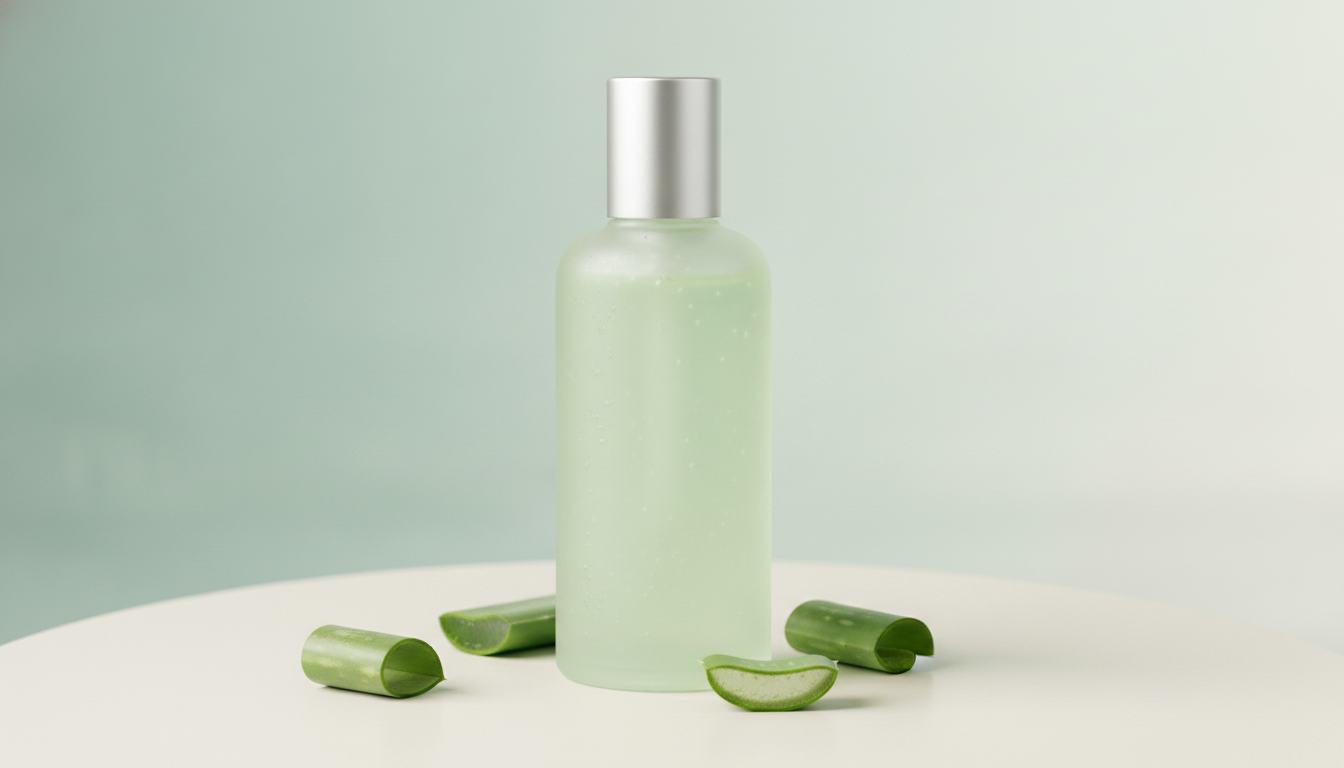
Aloe Vera for After-Sun Care: A Cosmetic Guide for South African Summers
Aloe vera after sun is a cosmetic comfort step, not a fix for sunburn. A cool, lightweight aloe gel cools and soothes the feel of sun-exposed skin and helps comfort skin after a day in the sun, while your real protection is broad-spectrum SPF, shade and clothing worn before the damage happens. This guide explains how to use aloe vera sensibly through a South African summer, with prevention first and a simple after-sun routine that suits our climate.
South African summers are bright and long. Whether you are at the beach in Durban, hiking in the Cape or watching cricket on the Highveld, the sun here is strong and easy to underestimate. The good news is that a thoughtful, prevention-led routine, paired with a cooling cosmetic gel for afterwards, keeps your skin comfortable through the season.
Prevention comes first: SPF, shade and clothing
No after-sun product can replace prevention. Sunburn is skin damage, and the only way to avoid it is to limit how much sun reaches your skin in the first place. Build these habits into every summer day:
- Apply broad-spectrum SPF daily. Use SPF 30 or higher every morning, even on cloudy days. Apply generously about 20 minutes before going outside.
- Reapply often. Top up every two hours, and straight after swimming, sweating or towelling off.
- Seek shade in peak hours. The sun is most intense between roughly 10am and 4pm. Use umbrellas, trees or covered areas when you can.
- Cover up. A wide-brimmed hat, sunglasses and light long-sleeved clothing add reliable, all-day protection.
- Mind reflective surfaces. Water, sand and pool decks bounce sunlight back at you, so you can catch more sun than you expect.
For more on adapting your routine to where you live, see our notes on skincare for South African climates and on summer skincare for Cape Town, Joburg and Durban. The sun, humidity and wind differ a lot across our cities, and your routine can adapt with them.
How a cool aloe gel comforts sun-exposed skin
After a long day outside, skin can feel hot, tight and dry. This is where a lightweight aloe gel earns its place as a cosmetic comfort step. It is not a medicine and does not change what the sun has done; what it offers is a pleasant, cooling sensation that helps comfort skin after a day in the sun.
A good after-sun gel should:
- Feel cool on contact, giving an immediate, refreshing sensation to skin that feels hot.
- Absorb quickly, without a heavy or greasy residue, which matters in our humid coastal summers.
- Add light hydration, helping comfort skin that feels dry and tight after sun exposure.
- Sit gently on the skin, with a simple, fresh feel you are happy to reapply.
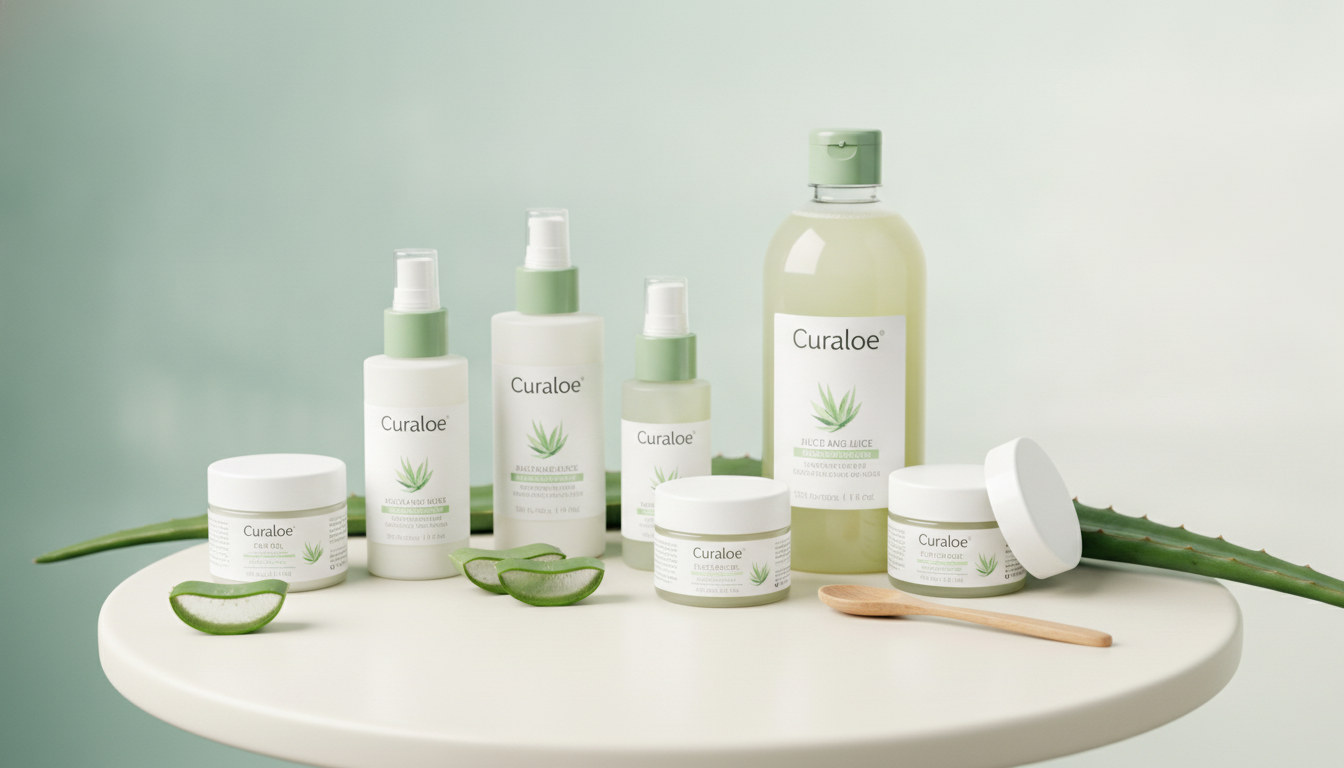
Curaloe gels are made from certified-organic Aloe vera (Aloe barbadensis Miller), the plant often called the "true aloe". We grow and cold-press it at the ACAP (African Caribbean Aloe Products) plantation in Vivo, Limpopo, and our aloe is certified to Ecocert organic standards (covering USDA NOP and EU organic), as well as HACCP, Kosher and Halal. If you want the background on the species we use, read why we grow Aloe vera (Aloe barbadensis Miller).
A simple after-sun routine for SA summers
Keep things gentle and unhurried once you are out of the sun. A fussy routine is hard to stick to; a short one you can repeat daily is far more useful.
1. Cool down and rinse
Step out of the sun and into the shade or indoors. A cool (not icy) shower or a soft, damp cloth helps lower that hot, prickly feeling. Pat your skin gently with a towel rather than rubbing, leaving it lightly damp.
2. Hydrate from the inside
Warm days and time outdoors leave many of us dehydrated. Drink plenty of water through the afternoon and evening so your skin and body have what they need.
3. Apply a thin layer of cool aloe gel
Smooth a light layer of aloe gel over the skin that has been exposed. For a stronger cooling sensation, keep the bottle in the fridge. The organic Soothing Aloe Vera Gel is an easy everyday choice, while the Soothing Aloe Vera Gel 150ml is handy to keep by the bedside for generous use. A travel-size 75ml aloe gel slips into a beach bag or glovebox for top-ups on the go.
4. Reapply as needed
Reapply a thin layer whenever your skin feels hot, dry or tight. Keep each application gentle, and stop using the product if your skin feels irritated.
5. Be patient and stay covered
Give already sun-exposed skin a break from further sun over the next days. Cover it with clothing and keep up your SPF, since freshly exposed skin is best kept out of strong sunlight while it settles.
When to seek medical care
A cosmetic gel is for everyday comfort only. Some situations need proper attention, so do not rely on any skincare product in place of medical care. See a doctor or seek medical care if you notice:
- Blistering, severe or widespread burns, or skin that is very painful, swollen or weeping.
- Signs of sun-related illness, such as fever, chills, dizziness, nausea, a pounding headache, confusion or fainting.
- Sunburn on a baby or young child, which should always be checked by a professional.
- Burns that are not settling after a few days, or that show signs of infection.
When in doubt, get advice from a pharmacist, clinic or doctor. Prevention with SPF, shade and clothing is still the most important thing you can do for your skin over a long South African summer.
Choosing your aloe gel
For after-sun comfort in warm weather, look for a fresh, fast-absorbing texture and an ingredient list you trust. Curaloe gels are built around certified-organic Aloe vera (Aloe barbadensis Miller) grown and cold-pressed here in South Africa, so you know exactly what you are putting on your skin. If you are weighing up options, our guide to the best aloe vera gel in South Africa walks through what to look for.
Prices are in Rand, and you get free delivery on orders over R550, so it is easy to stock a larger bottle at home and a travel size for the car or beach bag. Keep one chilled for that extra-cool feel after a bright summer's day.
The bottom line
Aloe vera after sun is a simple, pleasant cosmetic step: a cool gel that helps comfort skin after a day in the sun and hydrates skin that feels hot and dry. It is not a substitute for sun safety. Lead with broad-spectrum SPF, shade and clothing, save aloe for afterwards, and seek medical care for blistering, severe or widespread burns or any sign of sun-related illness. Do that, and your skin can feel comfortable right through the South African summer.
Frequently asked questions
Is aloe vera good for after-sun care? As a cosmetic step, a lightweight aloe vera gel is a popular choice after time outdoors. It feels cool on application and helps comfort skin that feels hot and dry. It is a cosmetic, not a medicine, so it does not undo sun damage; broad-spectrum SPF, shade and clothing are what protect you.
How does a cool aloe gel help sun-exposed skin? It cools and soothes the feel of sun-exposed skin and adds light hydration to skin that feels tight after a day outside. Curaloe gels use certified-organic Aloe vera (Aloe barbadensis Miller) and have a fresh, fast-absorbing texture suited to warm South African weather.
How often can I reapply aloe gel after sun? Apply a thin layer whenever your skin feels hot, dry or tight. Many people store the gel in the fridge for extra cooling. Keep applications gentle and stop if your skin feels irritated.
When should I see a doctor instead? Sunburn is skin damage. Seek medical care for blistering, severe or widespread burns, or if you feel unwell with fever, dizziness, nausea or a pounding headache, which can signal sun-related illness. Always have a doctor check young children.
What is the best way to avoid sunburn altogether? Prevention beats any after-sun step. Apply broad-spectrum SPF 30 or higher every morning, reapply every two hours and after swimming, seek shade between 10am and 4pm, and wear a hat, sunglasses and protective clothing. Daily SPF is your real protection.

Leave a comment
This site is protected by hCaptcha and the hCaptcha Privacy Policy and Terms of Service apply.