
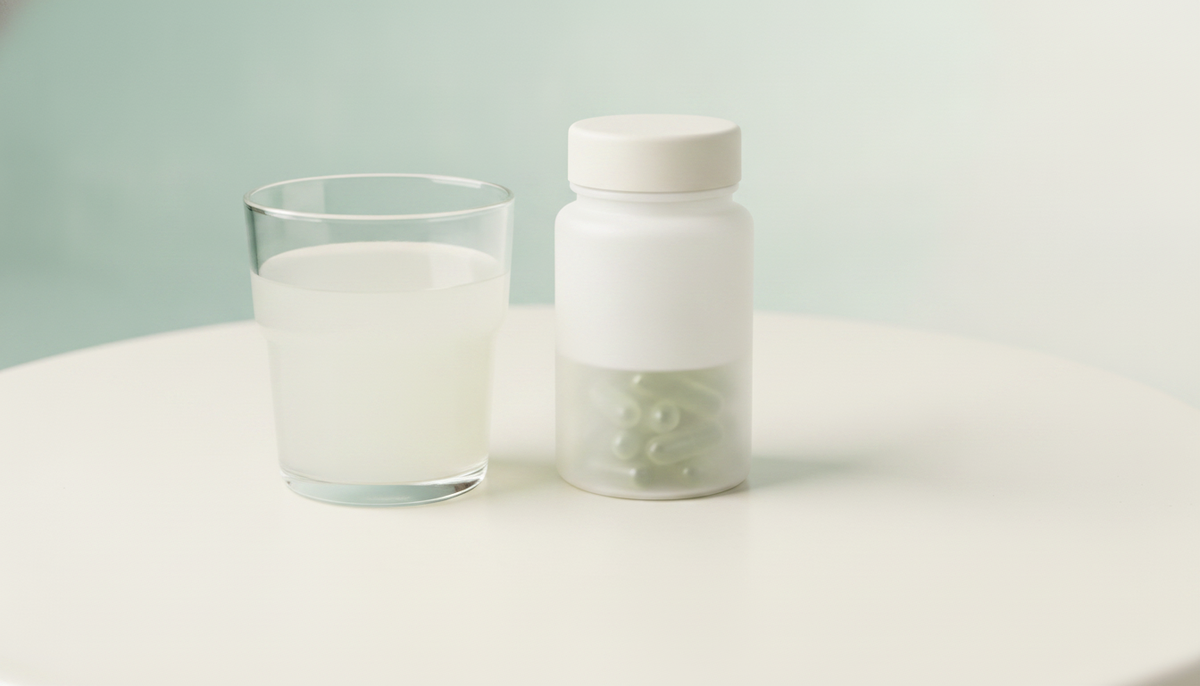
Aloe Vera Capsules vs Juice: Which Should You Choose?
Answer first: Curaloe aloe vera capsules and juice contain the same single-species inner-leaf — the difference is format, not the plant. Pick juice if you enjoy a daily ritual you can taste and stir into water; pick capsules if you want a measured, travel-friendly option with no flavour and no fridge. Plenty of South Africans keep both and switch depending on the day.
If you are weighing up aloe vera capsules vs juice, this guide compares the two Curaloe formats across taste, convenience, dosage, storage and price logic, so you can choose what suits your routine rather than guessing.
Both formats at Curaloe
Our Aloe Vera Capsules (60 per bottle) and our cold-pressed Aloe Vera Juice 1L are made from the same certified-organic Aloe barbadensis Miller, grown on our farm in Limpopo. Taking them daily? The Capsules Value Pack and Juice Value Pack save up to 20%. Free delivery over R550.
What is in each format
Both formats start from the same raw material: Aloe vera (Aloe barbadensis Miller), often called the "true aloe". Curaloe grows and cold-presses it at the ACAP (African Caribbean Aloe Products) plantation in Vivo, Limpopo, in the western Soutpansberg — a subtropical bushveld region with summer rainfall. The crop is certified organic by Ecocert (covering USDA NOP and EU organic standards) and produced under HACCP, with Kosher and Halal certification too. If you want the background on the species itself, see our why barbadensis page.
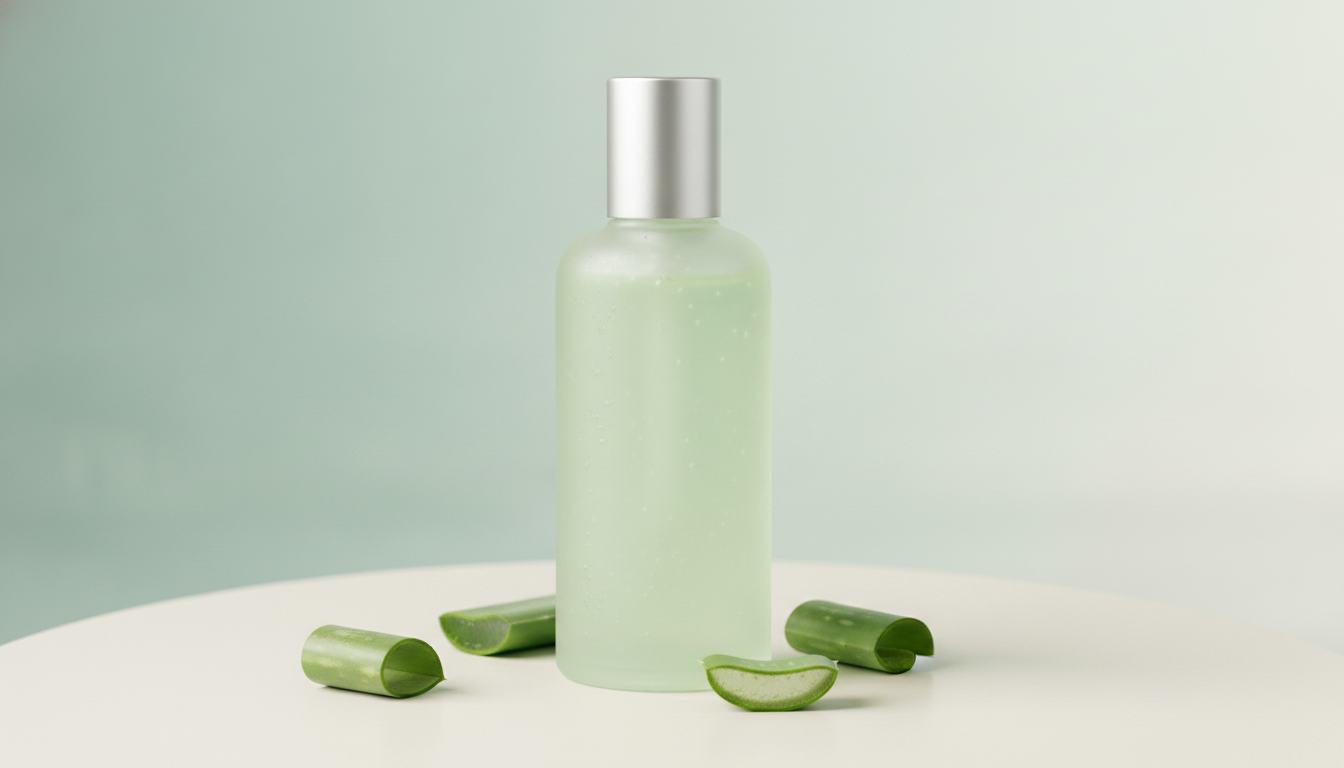
The aloe vera juice is 98% pure, cold-pressed and decolourised inner-leaf from a single species. The aloe vera capsules are freeze-dried single-species inner-leaf, with a suggested serving of 1 to 2 capsules a day. Same plant, same plantation, two ways to fit it into your day.
Aloe vera capsules vs juice: side-by-side
Here is how the two formats compare on the points people most often ask about.
| Feature | Aloe vera juice | Aloe vera capsules |
|---|---|---|
| Format | Liquid; drink neat or mixed into water or juice | Freeze-dried powder in a capsule |
| Taste | Mild and slightly bitter; you will notice it | Effectively tasteless to take |
| Travel | Bottle; best kept cool, so less convenient on the go | Compact and shelf-stable; easy in a bag or pocket |
| Daily serving | About 30 to 60ml | 1 to 2 capsules |
| Fridge | Refrigerate after opening | No fridge needed |
| Price logic | Lower cost per serving in larger sizes | Pay for convenience and a longer carry life |
When aloe vera juice makes sense
Juice suits people who like a visible, repeatable ritual. A measured glass first thing in the morning, stirred into water with a squeeze of lemon, is an easy habit to build and easy to remember. Because you can see and taste what you are taking, juice also appeals to anyone who simply prefers a drink over a capsule.
On cost, the larger format tends to win. The 1L bottle gives a lower cost per serving for regular drinkers, while the 500ml bottle is a sensible size if you are trying aloe juice for the first time and do not want to commit to the bigger bottle yet. For ideas on building the habit, see a daily aloe juice routine, and if you are still comparing brands and bottles, our guide to choosing the best aloe vera juice in South Africa covers what to look for.
When aloe vera capsules make sense
Capsules are the practical choice when taste or convenience is the deciding factor. If you would rather not taste aloe at all, a capsule removes that entirely. They also travel well: no bottle to spill, no need for a fridge, and an easy fit in a handbag, gym bag or desk drawer. For frequent travellers, busy parents and anyone with an irregular schedule, that simplicity is the main draw.
Dosing is straightforward too. Counting out 1 or 2 capsules is quicker than measuring millilitres, which makes it easier to stay consistent when you are short on time. The trade-off is cost per serving, which is usually a little higher than buying juice in a large bottle — you are paying for the convenience and the longer carry life.
Can you use both?
Yes, and many people do. A common pattern is juice at home, where a glass and a fridge are easy, and capsules when out of the house, travelling or at the office. Because both formats are the same single-species inner-leaf, switching between them is simply a matter of what is practical that day. There is no need to make it an either-or decision.
A quick way to decide
If you are still undecided, run through this short checklist:
- Choose juice if you enjoy a daily drink, want the lowest cost per serving, and have fridge space.
- Choose capsules if you dislike the taste, travel often, or want a no-fuss, measured dose.
- Choose both if your week mixes quiet days at home with time on the road.
Quality and origin matter
Whichever format you pick, the source is what counts. Curaloe uses a single species, inner-leaf only, cold-pressed for the juice and freeze-dried for the capsules. The juice is decolourised, which removes the bitter outer-leaf compounds while keeping it close to its natural state. That is different from products made by reconstituting powder with water — a distinction we unpack in our piece on cold-pressed versus reconstituted aloe juice. Knowing where your aloe is grown and how it is processed makes it easier to compare like with like.
Using it as part of a balanced routine
Curaloe aloe vera juice and capsules are wellness products, best used as part of a balanced daily routine rather than as a quick fix. Stick to the serving guidance on the label and keep it consistent over time, the same way you would with any everyday habit.
A few sensible cautions apply. If you are pregnant or breastfeeding, have kidney disease, or take regular medication, speak with your healthcare provider before adding an aloe product to your routine. These products are not intended for children under 10. When in doubt, ask a professional who knows your circumstances.
Frequently asked questions
Are aloe vera capsules the same as the juice? Both Curaloe formats use the same single-species inner-leaf from the same plantation. Capsules are freeze-dried, while the juice is cold-pressed and decolourised. The choice comes down to format and preference, not the plant itself.
How many capsules equal a glass of juice? Around 2 to 3 Curaloe capsules are roughly equivalent to 30 to 60ml of juice, which is a typical daily serving. Always follow the dosage on the label.
Do I need to refrigerate aloe vera juice? Yes, refrigerate the juice after opening and use it within the period stated on the bottle. Capsules are shelf-stable and need no fridge, which is part of why they travel so well.
Which is cheaper, capsules or juice? Larger juice sizes usually give a lower cost per serving, while capsules add convenience and a longer carry life. Curaloe offers free delivery on orders over R550, so combining items in one order can help.
Can I use both formats? Yes. Many people keep juice at home for a morning glass and carry capsules for travel, work or the gym, switching as the day allows.
Who should be cautious with aloe products? If you are pregnant or breastfeeding, have kidney disease, or take regular medication, speak to your healthcare provider first. These products are not intended for children under 10.


Leave a comment
This site is protected by hCaptcha and the hCaptcha Privacy Policy and Terms of Service apply.