
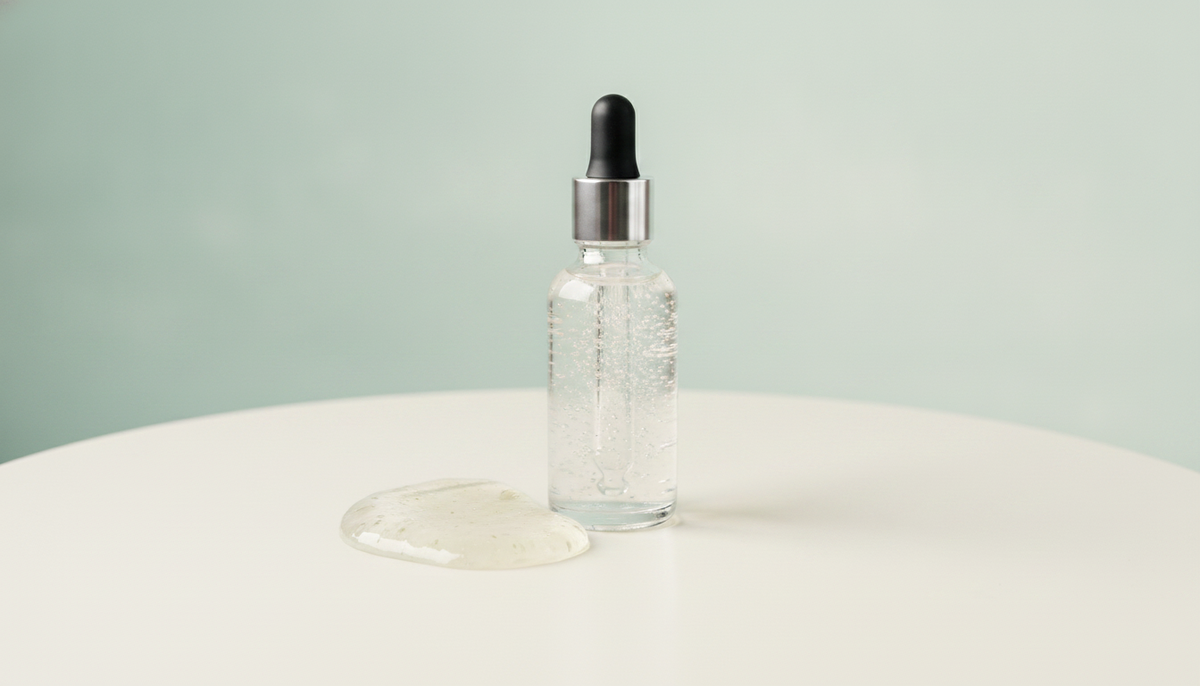
Aloe Vera + Hyaluronic Acid: Why We Pair Them (and How to Use Them)
If you only remember one thing, remember this: aloe vera and hyaluronic acid work well together because they hydrate your skin in two complementary ways. Aloe vera is a lightweight, water-binding botanical that delivers a soft layer of moisture and a fresh, calm feel. Hyaluronic acid is a humectant that holds water within the upper layers of skin. Used together, you get layered hydration, water delivered and then held in place, which leaves skin looking dewy, smooth and comfortable.
That pairing sits at the heart of Curaloe's approach to skincare. Our certified-organic Aloe vera (Aloe barbadensis Miller), the "true aloe", is grown and cold-pressed at the ACAP plantation in Vivo, Limpopo, in the western Soutpansberg. ACAP stands for African Caribbean Aloe Products. Below, we break down what each ingredient does, why they belong together, and how to fit them into an everyday routine, with a note on our local climate.
Our aloe + hyaluronic acid pairing
Our Facial Gel Hyaluronic Acid Serum combines aloe vera with hyaluronic acid in one lightweight step. Prefer pure aloe as a separate layer? Use our Soothing Aloe Vera Gel 150ml. Both are made with certified-organic Aloe barbadensis Miller from Limpopo. Free delivery over R550.
What aloe vera does for your skin
Aloe vera is mostly water, and the gel pressed from the leaf carries that moisture along with naturally occurring plant sugars and other botanical compounds. On the skin, it feels light and absorbs quickly, which is why it has been a go-to for generations of South Africans looking for fresh, no-fuss hydration.
From a cosmetic point of view, aloe vera helps:
- Deliver lightweight, water-based hydration without a greasy finish
- Leave skin feeling soft, calm and comfortable
- Support a healthy-looking, refreshed complexion after sun, wind or a long day
- Layer easily under serums, moisturisers and sunscreen
Because it is so gentle, aloe suits a wide range of skin types, from dry and sensitive to oily and combination. If you want the purest experience of the ingredient on its own, our Organic Soothing Aloe Vera Gel and the travel-friendly Soothing Aloe Vera Gel 150ml are made for exactly that.
What hyaluronic acid does for your skin
Despite the name, hyaluronic acid is not an exfoliating acid. It is a humectant, a moisture magnet that attracts water and holds it in the surface layers of skin. A small amount can bind a large amount of water, which is why it has become a staple in hydrating serums worldwide.
In cosmetic terms, hyaluronic acid helps skin look:
- Plumper and bouncier, with a smoother surface
- More hydrated, easing the appearance of fine lines that can look more obvious on dry skin
- Fresh and supple rather than tight or flat
On its own, a humectant works best when there is water available to bind, either from the product it sits in or from slightly damp skin. That is one reason it pairs so naturally with a water-rich botanical like aloe.
Why pairing aloe vera and hyaluronic acid works
Think of it as a two-part job. Aloe vera brings water to the skin and adds its own soft, soothing layer of botanical hydration. Hyaluronic acid then acts like a sponge, drawing in and holding that moisture so the effect lasts longer and the skin keeps looking dewy.
Used separately, each is good. Used together in a single, well-balanced formula, they reinforce one another: more water in, and more water held. The result you can see is a complexion that looks plumper, smoother and more refreshed, with the appearance of fine lines softened by good hydration rather than masked.
This is exactly the thinking behind our Aloe Vera Facial Gel Serum, which is 89% aloe vera combined with hyaluronic acid. The high aloe content does the water-delivery work, while the hyaluronic acid helps lock that hydration in, all in one lightweight gel-serum step.
How to use them in your routine
The golden rule of layering is simple: apply your lightest, most water-rich products first, then build up to richer textures that seal everything in. A combined aloe-and-hyaluronic-acid gel-serum sits early in that order.
A simple order of layering
- Cleanse with a gentle face wash and pat skin until it is just slightly damp.
- Apply your gel-serum while skin is still a touch damp, so the hyaluronic acid has water to bind. Smooth a few drops over the face and neck.
- Add a targeted serum if you use one, such as our Organic Anti-Pollution Serum for daytime, city environments.
- Moisturise to seal the layers in place. This step matters most in dry conditions.
- Finish with sunscreen every morning as your last daytime step.
AM and PM
In the morning, the aloe-and-hyaluronic-acid step works beautifully under sunscreen and make-up, giving a fresh, hydrated base without heaviness. In the evening, apply it after cleansing so skin stays comfortable and supple overnight. Most people can use it twice daily, but you can scale back to once a day if you prefer.
A note for South African conditions
Our climate is demanding on the skin. Sun, wind, air-conditioning and the dry air of much of the interior can pull moisture from the skin's surface, while humid coastal days call for lighter textures. Humectants like hyaluronic acid perform best when there is moisture to hold, so two habits help: apply onto slightly damp skin, and always seal with a moisturiser so the hydration does not simply evaporate into dry air. For more local guidance, read our notes on aloe skincare for South African climates.
Who it suits
The aloe-and-hyaluronic-acid combination is genuinely flexible, which is part of its appeal:
- Dry or tight skin benefits from the layered, water-binding hydration.
- Oily and combination skin get moisture in a lightweight, non-greasy form, useful if richer creams feel like too much. See our guide to aloe for oily, blemish-prone skin.
- Sensitive skin often appreciates the gentle, calming feel of aloe.
- Busy routines are well served by a single gel-serum step that does the work of two ingredients.
Why the quality of the aloe matters
Not all aloe is the same. Curaloe is built on certified-organic Aloe vera (Aloe barbadensis Miller), cold-pressed to keep the gel close to its natural state. It is grown on our own ACAP plantation in Vivo, Limpopo, where the subtropical bushveld and summer rainfall suit the plant. Our aloe carries Ecocert organic certification (covering USDA NOP and EU organic standards), along with HACCP, Kosher and Halal certification, so you know what is going onto your skin and where it comes from. You can read more about why we grow Aloe barbadensis Miller and what makes it the true aloe.
When you pair high-quality, water-rich aloe with hyaluronic acid, you are giving your skin a clean, layered approach to hydration, the kind that looks fresh in the mirror and feels comfortable through a long South African day. Orders over R550 ship with free delivery.
Frequently asked questions
Can I use aloe vera and hyaluronic acid together every day? Yes. Both are gentle, water-based hydrators that suit daily morning and evening use for most skin types. Start once or twice a day and adjust to how your skin feels.
Which goes on first, aloe or hyaluronic acid? Apply the lighter, most water-rich layer first. With Curaloe's Facial Gel Serum the aloe and hyaluronic acid are combined in one step, so you simply apply it after cleansing and before your moisturiser.
Is this combination good for oily skin? It can suit oily and combination skin because both ingredients are lightweight and non-greasy, giving hydration without a heavy feel.
Do I still need a moisturiser? In most cases, yes. Hyaluronic acid draws in water, and a moisturiser or facial oil on top helps hold that hydration in place, which matters in dry South African conditions.
Will hyaluronic acid feel dry in our climate? Humectants work best when there is water to bind. In dry air, apply onto slightly damp skin and seal with a moisturiser so the layer stays comfortable rather than tight.
What makes Curaloe's aloe different? Curaloe uses certified-organic Aloe vera (Aloe barbadensis Miller) grown and cold-pressed at our ACAP plantation in Vivo, Limpopo.

Leave a comment
This site is protected by hCaptcha and the hCaptcha Privacy Policy and Terms of Service apply.