
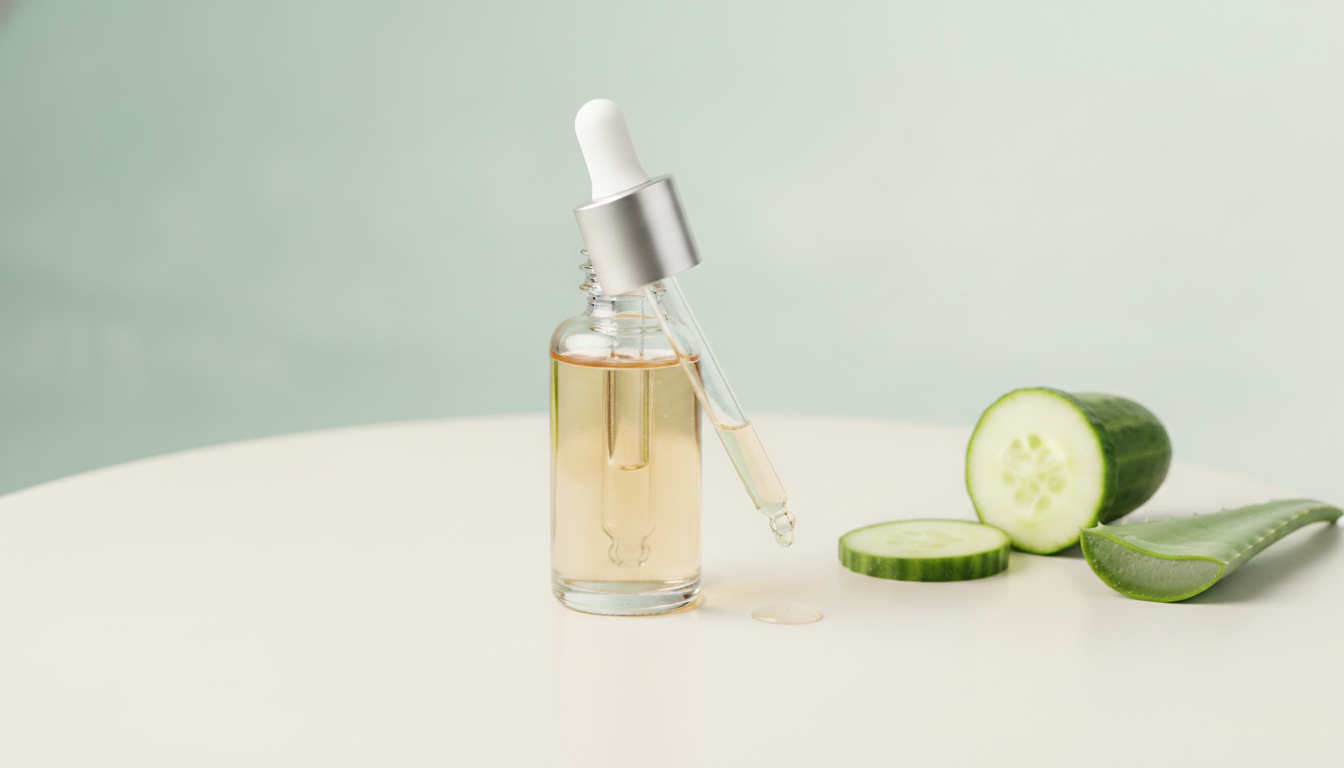
Aloe Vera for Dark Spots & Uneven Tone: A Guide for Melanin-Rich Skin
Short answer: aloe vera will not erase dark marks, but it is a gentle, hydrating ally for melanin-rich skin that, alongside a calm routine and daily sunscreen, can support the appearance of a more even, radiant tone. Even tone is gradual and cosmetic, so set realistic expectations and see a dermatologist for any diagnosed pigmentation concern.
If you have searched "aloe vera for dark spots", most of the advice you will find is written for very different skin and very different climates. This guide is for South African consumers and is written with melanin-rich skin in mind, where dark marks behave differently and where sun, heat and friction all play a role.
What actually causes the look of uneven tone?
An "uneven tone" is really the appearance of patches of skin that look darker than the surrounding area. On melanin-rich skin this is common, and it usually comes down to a few everyday causes.
Sun exposure
South Africa gets a lot of strong, year-round sun. Ultraviolet light prompts the skin to produce more pigment, which can make existing marks look darker and slower to fade. This is why sun protection is the foundation of any even-tone routine, not an afterthought.
Marks left behind after blemishes
When a pimple, ingrown hair or irritated patch settles, melanin-rich skin often leaves a flat dark mark in its place. These post-blemish marks are one of the most common reasons people look for an even-tone routine. Being gentle with breakouts, rather than picking at them, helps reduce how dark these marks appear. If you are managing both oiliness and marks, our guide to aloe for oily, blemish-prone skin is a useful companion read.
Friction and irritation
Rubbing, harsh scrubbing, over-exfoliating and aggressive products can all irritate the skin. On deeper skin tones, repeated irritation can show up as the appearance of darker areas, especially on the neck, underarms and along the jaw. A softer, lower-irritation routine is often more effective than an aggressive one.
How aloe vera fits into an even-tone routine
Aloe vera is a cosmetic skincare ingredient, not a medicine. It is best understood as a soothing, water-rich hydrator that helps keep the skin comfortable and looking healthy. When skin is well hydrated and calm, it tends to reflect light more evenly, which supports the look of a brighter, more uniform complexion.
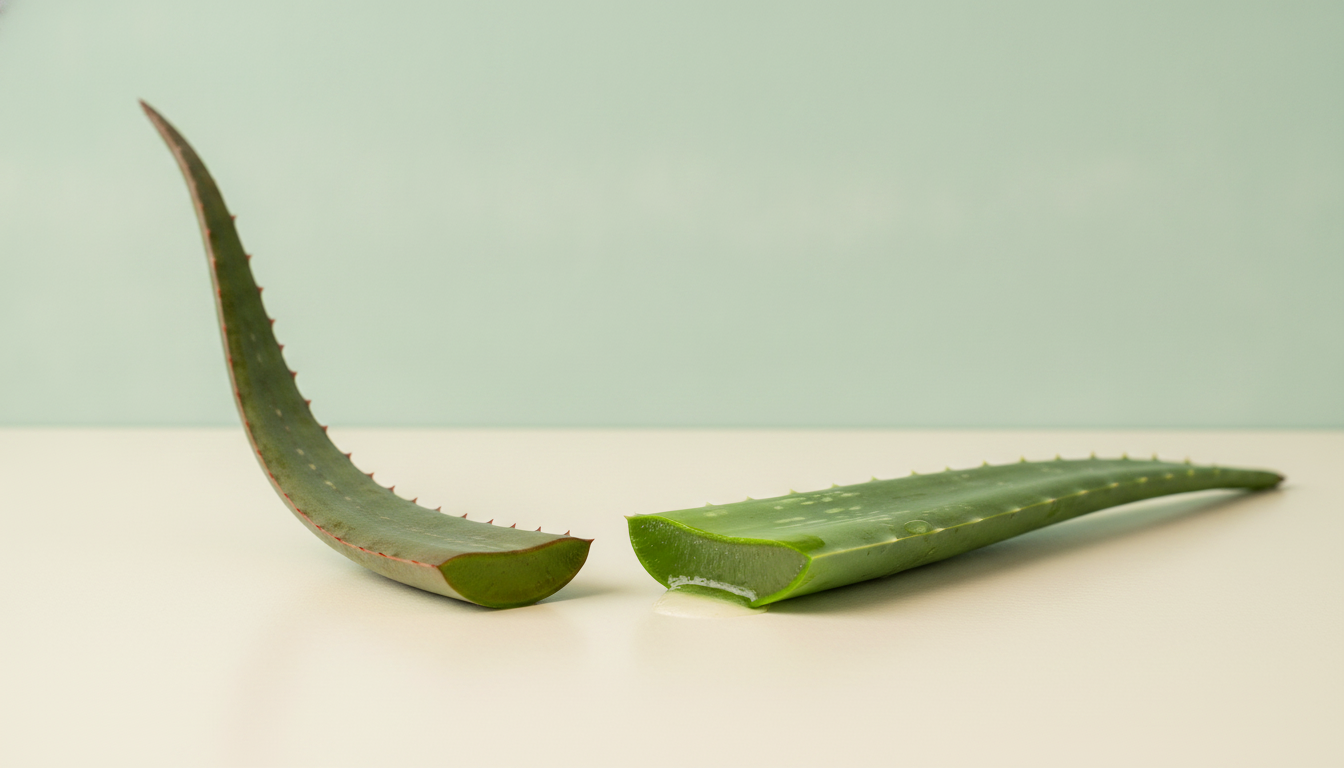
At Curaloe we use certified-organic Aloe vera (Aloe barbadensis Miller), the "true aloe", grown and cold-pressed at our ACAP plantation in Vivo, Limpopo, in the subtropical bushveld of the western Soutpansberg. ACAP stands for African Caribbean Aloe Products, and you can read why Aloe barbadensis is the true aloe if you want the detail on the species we grow.
Here is what aloe-based care realistically supports:
- Lightweight hydration that helps the skin look plumper and more radiant.
- A soothing feel after sun, shaving or a long day, helping you avoid the friction and irritation that can lead to the appearance of darker marks.
- A gentle base that suits melanin-rich skin, which often does better with calm, low-irritation products.
What aloe vera does not do is bleach, erase or fade pigment from the skin. Any product that promises to do so is overstating what a cosmetic can deliver. Honest expectations protect both your skin and your wallet.
A simple, melanin-rich-skin-aware routine
You do not need a ten-step regime. A short, consistent routine almost always beats a complicated one, especially when the goal is a calmer, more even-looking complexion.
Morning
- Cleanse gently with lukewarm water and a mild cleanser. Skip anything that leaves skin feeling tight or stripped.
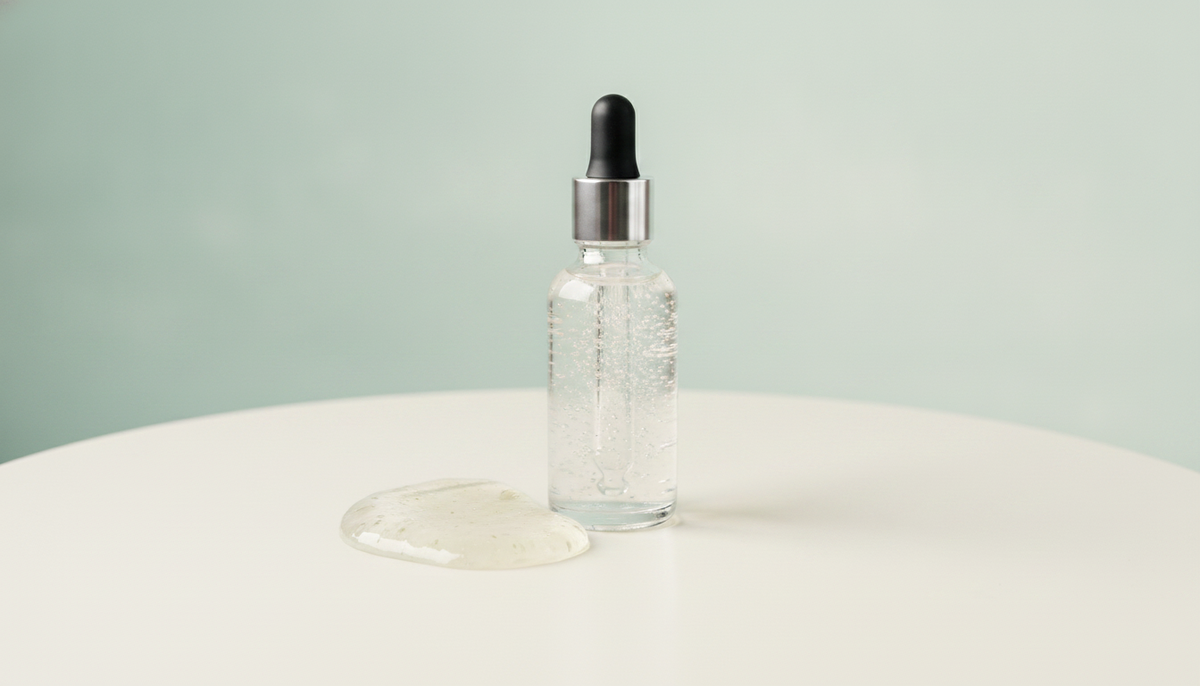
- Hydrate and soothe. A lightweight aloe layer such as our Aloe Vera Facial Gel Serum sinks in quickly and sits well under other products.
- Protect. Finish with a broad-spectrum sunscreen. This is the single most important step for preventing the look of uneven tone.
Evening
- Cleanse to remove sunscreen, sweat and the day's grime. City dwellers dealing with traffic and dust may like our Organic Anti-Pollution Serum as part of an evening routine.
- Soothe and recover. A calming layer like our Organic Soothing Aloe Vera Gel is ideal after sun or shaving, when skin most needs comfort.
Keep a larger bottle handy for body areas prone to friction marks. The 150ml Soothing Aloe Vera Gel is a practical size for everyday use on the neck, underarms and legs after shaving.
The non-negotiable: daily sunscreen
If you take one thing from this guide, make it this. Sunscreen is the most important step for keeping the appearance of your tone even. Without it, marks you are trying to soften can simply look darker again after a few sunny days, and new ones appear more easily.
There is a stubborn myth that deeper skin tones do not need sunscreen. While melanin offers some natural defence, it does not prevent the look of uneven tone, and unprotected sun exposure remains a leading reason marks deepen and linger. Choose a broad-spectrum SPF you genuinely enjoy wearing every day, and reapply when you are outdoors for long stretches.
What is realistic, and what is not
Being honest here matters more than selling you a dream.
- Realistic: skin that looks more hydrated, calmer, fresher and gradually more even over weeks to months of consistent, gentle care plus daily SPF.
- Realistic: fewer new marks, because you are protecting your skin and irritating it less.
- Not realistic: overnight changes, or a cosmetic product that erases pigment, fades scars instantly or changes your natural tone.
Even tone is a gradual, cosmetic outcome, not a quick fix. Anyone promising dramatic, fast results from a single jar is selling hype, not skincare.
When to see a dermatologist
A cosmetic routine has limits, and that is completely normal. Book a dermatologist if any of the following apply:
- Marks are spreading, growing or changing in colour or shape.
- Pigmentation is not shifting at all despite months of consistent care and SPF.
- You suspect a specific, diagnosed pigmentation condition.
- The marks are affecting your confidence and you want a professional, tailored plan.
A dermatologist can diagnose what is actually happening and recommend options that go beyond what a cosmetic product can responsibly offer. Pairing professional care with a gentle daily routine is a sensible combination.
Why South African-grown aloe matters here
Our climate, our skin and our routines are unique, so it makes sense to choose skincare designed with that in mind. Curaloe's aloe is grown and cold-pressed locally in Limpopo and carries Ecocert organic certification (USDA NOP and EU organic), alongside HACCP, Kosher and Halal credentials. You can read more about why South African-grown aloe matters for quality and freshness.
Curaloe products are priced in Rand, with free delivery on orders over R550, so building a simple, consistent routine is straightforward. Consistency, after all, is what truly supports the appearance of an even, radiant complexion over time.
Frequently asked questions
Does aloe vera remove dark spots? No product can promise to remove dark spots, and aloe vera is a cosmetic ingredient rather than a medical one. What well-hydrated, well-cared-for skin can do is look more even and radiant over time. For diagnosed pigmentation, see a dermatologist.
How long until I see a more even-looking tone? Cosmetic changes are gradual. With consistent hydration, a gentle routine and daily SPF, many people notice their skin looks fresher and more even over several weeks to a few months. Patience and sun protection matter most.
Is aloe vera safe for melanin-rich skin? Aloe vera is gentle and well tolerated by most skin tones. As melanin-rich skin can mark easily after irritation, a soothing, low-irritation approach like aloe-based hydration is a sensible choice. Always patch test a new product first.
What is the single most important step for a more even tone? Daily sunscreen. Sun exposure is a leading driver of the look of uneven tone and can make existing marks appear darker, so broad-spectrum SPF every morning is the most important habit you can build.
Why choose Curaloe aloe vera? Curaloe uses certified-organic Aloe vera (Aloe barbadensis Miller) grown and cold-pressed at our ACAP plantation in Vivo, Limpopo. It is Ecocert organic (USDA NOP and EU organic), HACCP, Kosher and Halal certified.
When should I see a dermatologist instead? If marks are spreading, changing shape or colour, not fading at all, or causing you distress, book a dermatologist. Persistent pigmentation often needs a professional diagnosis and a tailored plan that a cosmetic routine cannot replace.

Leave a comment
This site is protected by hCaptcha and the hCaptcha Privacy Policy and Terms of Service apply.