
Aloe Ferox vs Aloe Vera (Aloe barbadensis): Which Is Better for Daily Skincare?
Aloe ferox and aloe vera are not the same plant. Aloe vera is the common name for Aloe vera (Aloe barbadensis Miller), the "true aloe" grown around the world for its mild inner-leaf gel, while Aloe ferox (bitter or Cape aloe) is a separate species indigenous to South Africa, higher in aloin and traditionally used as a laxative. For daily cosmetic skincare, most people choose barbadensis because its gel is gentle and easy to apply every day; ferox suits other uses.
Two different plants, two different jobs
It is easy to assume that all aloes are interchangeable, because they look similar and share the same family. In practice, the two best-known aloes in South Africa behave quite differently, and the honest comparison is between two species, not between "barbadensis" and "aloe vera" (those are simply two names for the same plant).
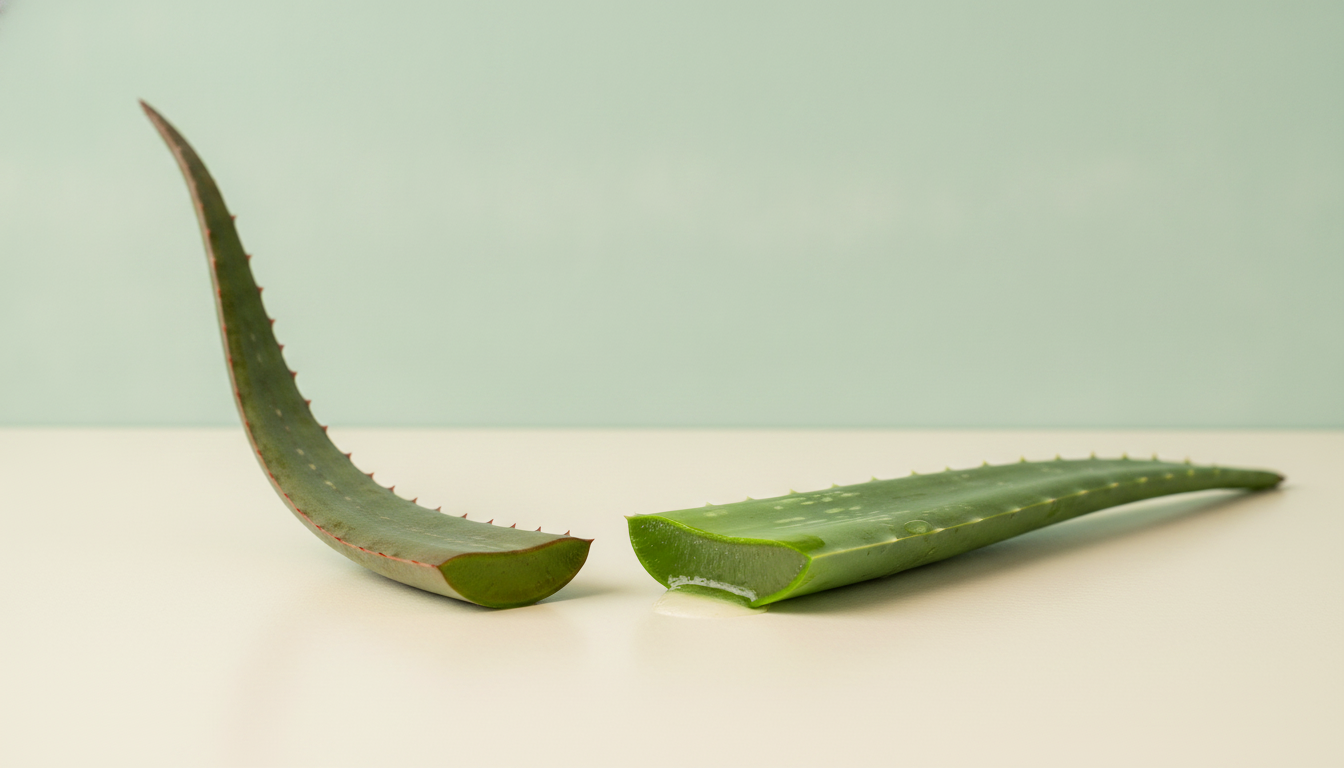
Aloe ferox is a tall, single-stemmed aloe with thick, spiny leaves. It grows wild across large parts of South Africa and has a long, respected history of traditional use. Aloe vera (Aloe barbadensis Miller) is the shorter, clustering aloe whose plump leaves yield the clear gel you will recognise from countless skincare shelves worldwide.
Neither is "better" in absolute terms. They simply fit different purposes. If you want to understand the botany in more depth, we cover the science behind barbadensis vs ferox in a companion article.
The role of aloin and bitterness
The biggest practical difference comes down to aloin, a naturally bitter compound concentrated in the yellow sap just under an aloe leaf's skin. Aloe ferox is notably high in aloin, which is one reason it has historically been used internally as a laxative rather than as a daily face-and-body gel.
Aloe vera (Aloe barbadensis Miller) contains far less aloin in its clear inner-leaf gel, especially once that gel is carefully separated from the outer leaf. That mildness is precisely why barbadensis became the global standard for gels, lotions and drinks intended for regular, everyday use.
This is not a criticism of ferox. High aloin simply makes it better suited to its traditional roles and less suited to slathering on your skin morning and night.
Aloe ferox vs aloe vera: side-by-side comparison
| Feature | Aloe ferox | Aloe vera (Aloe barbadensis Miller) |
|---|---|---|
| Common name | Bitter aloe, Cape aloe | True aloe, aloe vera |
| Aloin / bitterness | High; distinctly bitter sap | Low in the clear inner gel; mild |
| Traditional use | Historically used internally as a laxative | Inner-leaf gel for the skin and as a drink |
| Daily-skincare suitability | Less suited to daily cosmetic gel use | Well suited to everyday cosmetic use |
| Where grown | Indigenous and wild across South Africa | Cultivated worldwide; grown by Curaloe in Limpopo |
Why barbadensis suits daily skincare
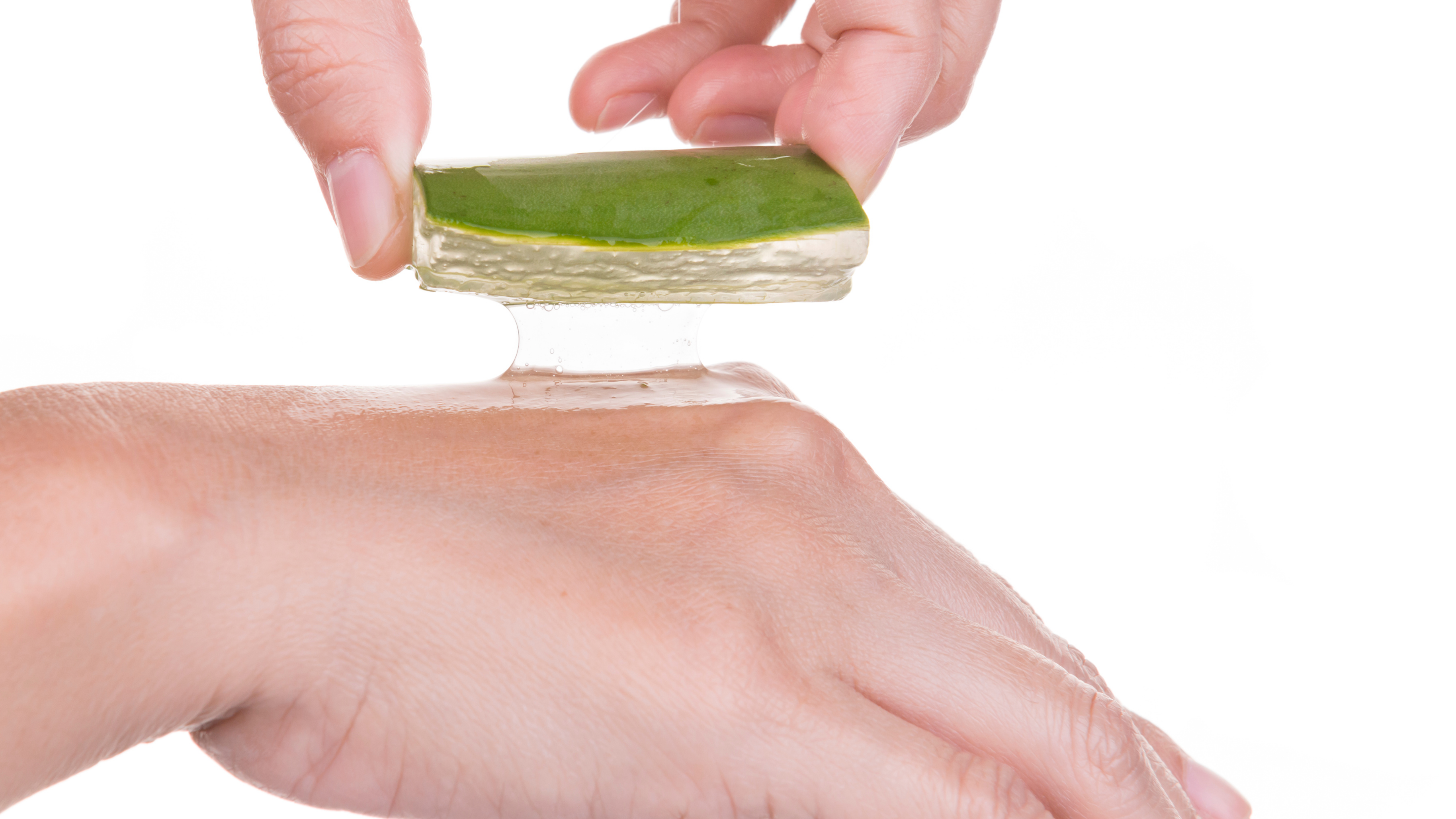
When you are applying a gel to your face, hands or body every day, you want something light, non-bitter and pleasant on the skin. The clear inner-leaf gel of Aloe vera (Aloe barbadensis Miller) ticks those boxes. It feels cool and hydrating, absorbs without heaviness, and is comfortable enough for repeated use.
That is the everyday experience behind a product like our Organic Soothing Aloe Vera Gel, which is made from barbadensis grown and cold-pressed on our own plantation. For a drink option, the same species sits behind our Aloe Vera Juice 1L.
None of this means ferox has no value. It remains an important South African plant with its own heritage. It is simply a different tool for a different job.
Where Curaloe fits in the South African picture
Here is a detail that surprises many South African shoppers: most certified aloe brands grown locally use Aloe ferox, because it is the species native to this country. Curaloe is relatively unusual in that we grow certified-organic Aloe vera (Aloe barbadensis Miller) right here in South Africa.
Our aloe is cultivated and cold-pressed at the ACAP plantation in Vivo, Limpopo Province, in the western Soutpansberg. ACAP stands for African Caribbean Aloe Products. The subtropical bushveld and summer-rainfall climate of this part of Limpopo suit barbadensis well, and growing it here means you get the globally recognised "true aloe" species with the traceability of local cultivation.
The plantation is certified organic by Ecocert to USDA NOP and EU organic standards, and also holds HACCP, Kosher and Halal certifications. If the idea of local cultivation appeals to you, we explain why South African-grown aloe matters in more detail, and set out why we grow Aloe barbadensis Miller rather than ferox.
How to choose the right aloe for you
Choosing between the two is less about "which aloe wins" and more about what you actually want to do:
- For daily skin gels, lotions and drinks: Aloe vera (Aloe barbadensis Miller) is the usual choice thanks to its mild, low-aloin inner gel.
- For traditional internal uses: Aloe ferox has a long heritage, but those uses are different from cosmetic skincare and sit outside the scope of a daily gel.
- For organic credentials and traceability: look for a clearly named species and recognised certifications rather than a generic "aloe" claim.
Reading the label is the simplest way to know what you are buying. Our short guide on how to read a single-species aloe label walks you through what to look for, including the botanical name and certification marks.
A note on expectations
Aloe is a much-loved ingredient, and it is worth keeping expectations realistic and honest. Curaloe products are cosmetics intended to support the look, feel and hydration of skin, not medicines. If you have a diagnosed skin condition, see a dermatologist; this is a cosmetic, not a medicine. People with known plant allergies should patch-test any new product first.
With that in mind, the everyday choice for most people who simply want a gentle, hydrating aloe gel or drink is Aloe vera (Aloe barbadensis Miller), the species Curaloe grows. Free delivery applies on South African orders over R550.
Frequently asked questions
Are aloe ferox and aloe vera the same plant? No. They are two different species. Aloe ferox (bitter or Cape aloe) is indigenous to South Africa, while aloe vera (Aloe barbadensis Miller) is the species grown worldwide and most often used in gels and daily skincare.
Which aloe is better for everyday skincare? For daily cosmetic use, most people choose Aloe vera (Aloe barbadensis Miller). Its inner-leaf gel is mild and lower in aloin, which makes it pleasant to apply to the skin every day. Aloe ferox is more bitter and high in aloin, and has traditionally been used internally as a laxative rather than as a daily skin gel.
Is aloe ferox bad? Not at all. Aloe ferox is a valued South African plant with its own traditional uses. It simply suits different purposes than barbadensis. The point is matching the right species to the right job, not ranking one above the other.
Does Curaloe use aloe ferox or aloe vera? Curaloe grows certified-organic Aloe vera (Aloe barbadensis Miller) at the ACAP plantation in Vivo, Limpopo. Most other certified South African aloe brands grow Aloe ferox, which makes Curaloe relatively unusual locally.
How can I tell which species a product contains? Check the label for the botanical name. Aloe vera (Aloe barbadensis Miller) and Aloe ferox should be named clearly. If a label only says aloe without the species, it is worth asking the brand for detail.
I have a diagnosed skin condition. Can I use aloe products? If you have a diagnosed skin condition, speak to a dermatologist first. These are cosmetic products for the look and feel of skin, not medicines, and a professional can advise on what is right for you.
,%20the%20%22true%20aloe%22%20grown%20around%20the%20world%20for%20its%20mild%20inner-leaf%20gel,%20while%20Aloe...)
Leave a comment
This site is protected by hCaptcha and the hCaptcha Privacy Policy and Terms of Service apply.