
Article: Vegan, Halaal & Cruelty-Free Aloe Skincare in South Africa
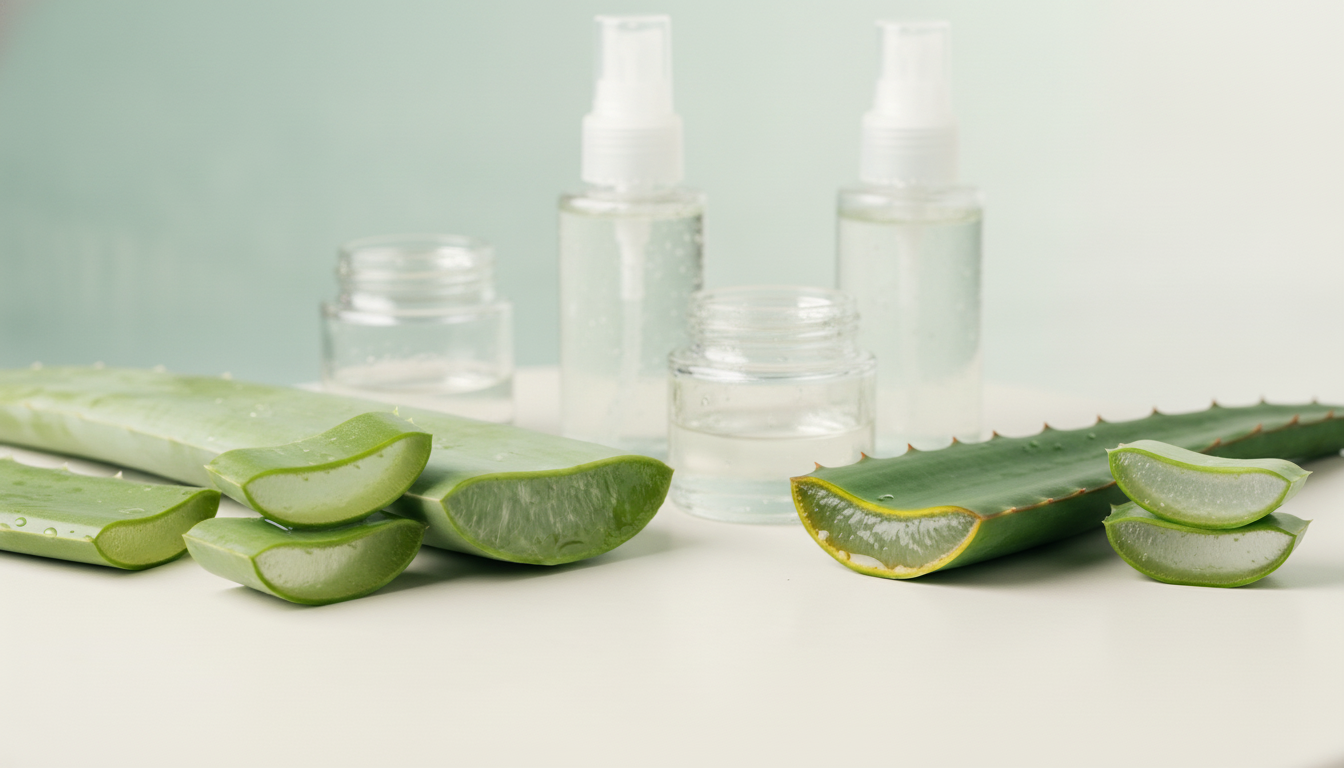
Vegan, Halaal & Cruelty-Free Aloe Skincare in South Africa
Yes — Curaloe aloe skincare is made for South Africans who read the label before they buy. The range is plant-based and suitable for vegans, cruelty-free (no animal testing), and carries Halaal and Kosher certification, all built around certified-organic Aloe vera (Aloe barbadensis Miller) that is grown and cold-pressed at the ACAP plantation in Vivo, Limpopo. This guide explains what each of those words actually means on a South African skincare label, how to check them yourself, and exactly where Curaloe's certifications fit in.
Words like vegan, Halaal and cruelty-free are everywhere in beauty aisles, but they do not all mean the same thing — and some carry more weight than others. If you shop by your values, the difference between a marketing word and an independently verified claim matters. Let's unpack each one in plain SA English.
What each label claim actually means
These claims answer different questions. Some are about ingredients, some about testing, and some about how a product is farmed and made. Knowing which is which helps you read past the front-of-pack wording.
Vegan and plant-based
A vegan or plant-based claim means the formula contains no animal-derived ingredients — no beeswax, lanolin, carmine, honey or animal-sourced glycerine. In South Africa there is no single government register that polices the word "vegan" on cosmetics, so the claim is only as good as the brand's honesty and ingredient list. That is why we describe Curaloe as plant-based and suitable for vegans rather than borrowing a specific society's stamp we do not hold. The wording stays accurate, and you can confirm it against the ingredient list.
Cruelty-free
Cruelty-free refers to testing, not ingredients: it means the product and, ideally, its ingredients were not tested on animals. A product can be cruelty-free without being vegan, and vegan without being cruelty-free, so the two claims are worth checking separately. Curaloe products are cruelty-free, with no animal testing.
Halaal
A Halaal claim means a recognised certifying body has confirmed the product meets Islamic requirements — for skincare, that typically covers the source of ingredients such as alcohol and animal derivatives, and the conditions under which the product is made. In South Africa, Halaal certification is issued by independent organisations, and genuine certification comes with a certificate and a verifiable mark. Curaloe's range carries Halaal certification.
Kosher
Kosher certification follows Jewish dietary and production law and, like Halaal, is granted by an independent authority rather than self-declared. For cosmetics it concerns ingredient sourcing and manufacturing standards. Curaloe's range carries Kosher certification, which sits comfortably alongside its other credentials.
Certified-organic
This is often the most rigorous claim of the lot. Certified-organic means an accredited body has audited how a plant is grown and processed against a published standard — covering soil, inputs, and processing — and has issued certification on that basis. Curaloe's aloe is certified by Ecocert to both the USDA NOP (United States) and EU organic standards. Note the difference between "organic" used loosely and "certified-organic" backed by an auditor: only the second comes with paperwork you can request.
How to verify these claims on a South African label
Reading the front of the pack is never enough. Here is a quick checklist you can use in any shop or online store, whether or not you are buying Curaloe.
- Find the certifying body, not just the adjective. A real Halaal, Kosher or organic claim names the organisation behind it. "Organic" on its own tells you little; "Ecocert organic" points to an auditor you can look up.
- Look for a certificate or certification number. Reputable brands can show the actual certificate on request. If a seller cannot produce one, regard the claim with caution.
- Read the full ingredient list (INCI). For vegan claims, scan for animal-derived ingredients yourself rather than trusting a logo. The list is the source of truth.
- Separate the claims. Confirm cruelty-free (testing) and vegan (ingredients) independently — one does not imply the other.
- Check the species and origin. A clear single-species, single-origin label is easier to verify than a vague "aloe blend". Our guide on how to read a single-species aloe label walks through this in detail.
What these claims do, and do not, guarantee
Being honest about the limits of label claims is part of buying well. Here is the realistic picture:
- Vegan does not mean organic, and organic does not mean vegan. A formula can be plant-based yet conventionally farmed, or certified-organic yet contain an animal-derived ingredient. Each claim has its own scope.
- Cruelty-free is about testing only. It says nothing about how natural, organic or sustainable the ingredients are.
- Halaal and Kosher certification address sourcing and production standards defined by each tradition. They are religious and ethical assurances, not measures of skincare performance.
- Certified-organic describes farming and processing, not results on your skin. It is a strong signal about how a plant was grown — a process claim, never a cosmetic-performance or medical one.
In other words, these labels tell you how a product was made and what is in it. They are about your values and your right to verify, which is exactly how we think they should be used.
How Curaloe's certifications line up
Curaloe is built around a single ingredient grown close to home. Our Aloe vera (Aloe barbadensis Miller) — the "true aloe" — is cultivated and cold-pressed at the ACAP plantation (African Caribbean Aloe Products) in Vivo, Limpopo, South Africa. You can read more about why we grow Aloe vera (Aloe barbadensis Miller) and why South African-grown aloe matters for traceability.
Against the checklist above, here is how the range stacks up:
- Plant-based and suitable for vegans: formulated around aloe, with no animal-derived ingredients.
- Cruelty-free: no animal testing.
- Halaal and Kosher certified: both issued by independent authorities.
- Ecocert organic (USDA NOP and EU organic): certified-organic from farm to bottle.
- HACCP: a recognised food-safety management standard applied to production.
Because the aloe is grown and pressed in one place, the supply chain is short and the claims are easier to stand behind. We would rather state plainly what we hold — Ecocert, HACCP, Halaal and Kosher — than imply certifications we do not.
Building a values-aligned aloe routine
If you want a simple, plant-based set to start with, three Curaloe staples cover most needs. For face and body, the Organic Soothing Aloe Vera Gel is a versatile everyday gel. For a more refined facial step, the Aloe Vera Facial Gel Serum layers cleanly under other products. And if you like to take aloe internally as part of a daily routine, the Aloe Vera Juice 1L rounds out the range. Not sure where to begin? Our guide to choosing the best aloe vera gel in South Africa compares the options.
Prices are in Rand, and delivery is free on orders over R550 — so you can build a vegan, Halaal- and Kosher-certified, certified-organic aloe routine without compromising on the values that brought you to the label in the first place.
Frequently asked questions
Is Curaloe skincare vegan? The range is plant-based and suitable for vegans, built around certified-organic Aloe vera (Aloe barbadensis Miller). We describe products as plant-based rather than claiming a specific vegan-society stamp, so you always know exactly what the wording covers.
Is Curaloe cruelty-free? Yes. Curaloe products are cruelty-free, meaning no animal testing. Cruelty-free speaks to testing practices, while vegan speaks to ingredients, so it is worth checking both on any label.
Is Curaloe Halaal and Kosher certified? Yes. The range carries Halaal and Kosher certification alongside Ecocert organic certification (USDA NOP and EU organic) and HACCP. You can ask to see the relevant certificates before you buy.
What does certified-organic actually guarantee? Certified-organic means an independent body, in our case Ecocert, has verified how the aloe is grown and processed against a published standard. It covers farming and production methods; it is not a medical or performance promise.
Where is Curaloe aloe grown? Our Aloe vera (Aloe barbadensis Miller) is grown and cold-pressed at the ACAP plantation (African Caribbean Aloe Products) in Vivo, Limpopo, South Africa.
,%20and%20carries%20Halaal%20and...)
Leave a comment
This site is protected by hCaptcha and the hCaptcha Privacy Policy and Terms of Service apply.