
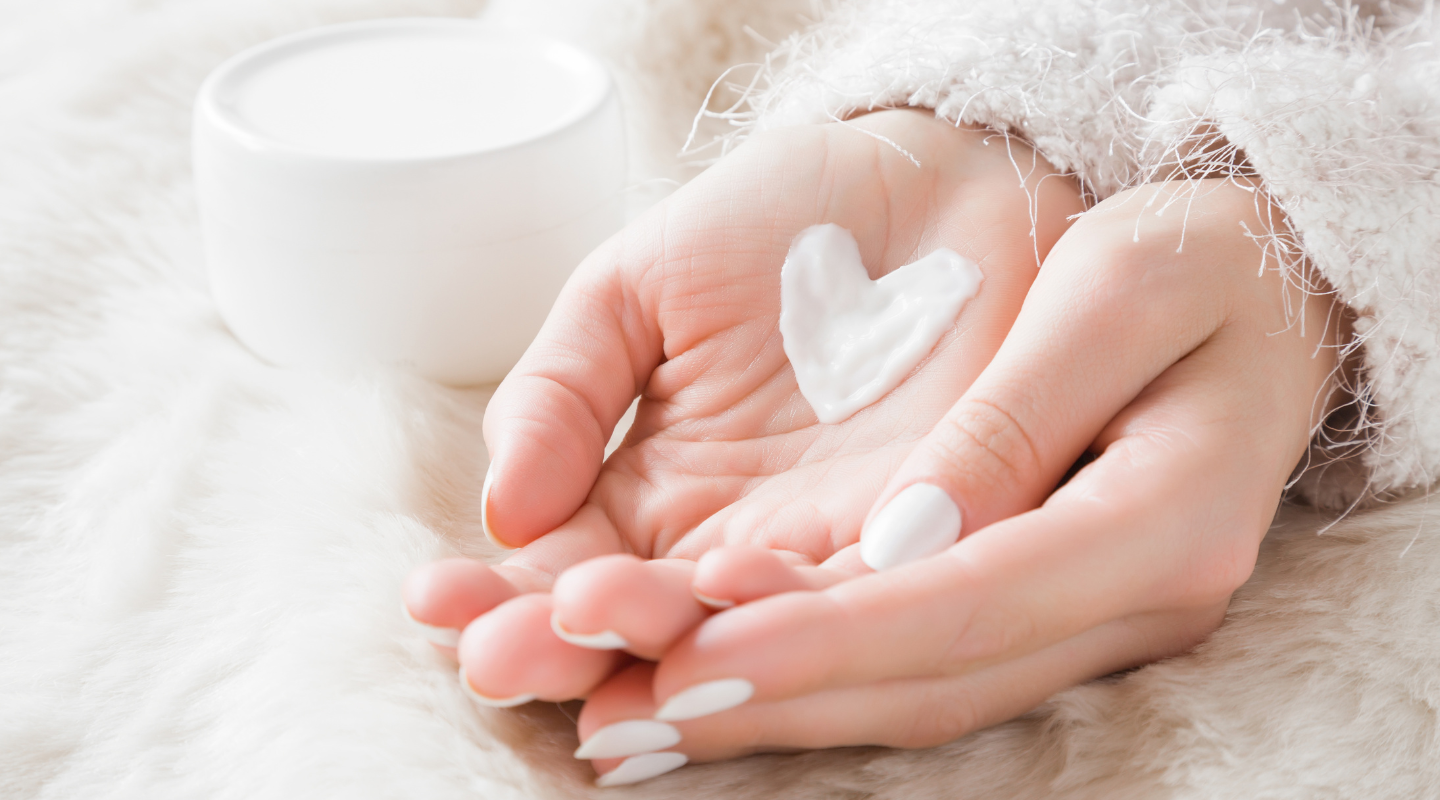
Daily Skincare for Uneven Skin Tone: A Gentle Cosmetic Approach
Uneven skin tone is one of the most common SA skincare concerns. The combination of strong year-round UV, post-blemish marks that take months to fade, sun freckles, and the occasional darker patch from inflammation or hormonal changes — it's a lot to navigate, and most of the products marketed to "fix" the issue overpromise dramatically.
This post takes a different approach. It's a cosmetic, slow-and-consistent routine for skin with uneven tone — built around the things that genuinely matter (sun protection, barrier care, patience) and the ingredient profile that supports them without irritation (gentle, low-risk, layerable). It doesn't claim to "treat" hyperpigmentation, melasma, or any specific condition. If you have diagnosed pigmentation that's bothering you significantly, you need a dermatologist, not a blog post.
What this post can do: help anyone with general uneven tone build a sensible daily routine that doesn't make the situation worse and supports gradual improvement over months.
For the broader cluster framework, see the Skincare for South African Climates pillar.
What "uneven skin tone" actually means
Used loosely. For this post:
- Post-inflammatory marks — dark or red marks left behind after a blemish heals
- Sun freckles — small patches of pigmentation from cumulative UV
- Uneven texture-related shading — areas that look darker because of texture differences (dehydration, dullness)
- Mild general unevenness — skin that just doesn't look uniform in tone across the face
What it doesn't mean, for this post:
- Melasma — a diagnosed pigmentation pattern often hormonal in origin; needs medical management
- Hyperpigmentation associated with chronic conditions
- Sudden new darker patches that weren't there before (see a dermatologist)
- Vitiligo or other depigmentation disorders
If your situation is in the second category, this post isn't the right resource. See a dermatologist for a proper assessment and a treatment plan that may include prescription-strength options.
Why "treating" uneven tone is the wrong framing
A lot of skincare marketing positions uneven tone as a problem to be eliminated quickly with the right active ingredient. The reality is closer to:
- Pigmentation forms below the skin surface in deeper layers. Cosmetics can't reach it directly.
- Cell turnover is slow — about 28 days to bring a deeper layer up to the surface, and that's only if everything else is supportive.
- Sun exposure undoes progress faster than products can help. A single weekend in the sun without proper SPF can darken existing marks measurably.
- Aggressive interventions often backfire — strong acids can trigger post-inflammatory pigmentation in some skin types, making things worse not better.
So the realistic framing is: slow, consistent, sun-protected daily routine over months, not products that promise "even tone in 7 days." Anyone selling the faster version is selling marketing.
The three things that actually matter
For uneven skin tone, the daily routine boils down to three core practices:
1. Daily broad-spectrum SPF, applied generously, reapplied
This is by far the most important variable. Skipping SPF — even on cloudy days, indoor days, or "just running errands" days — undoes whatever progress your routine is making. In SA's UV environment, this matters even more than in most countries.
Specifics:
- Broad-spectrum SPF 50, mineral or chemical depending on your skin
- ¼ teaspoon for face alone
- Reapply at midday if outdoors at all
- Hats and sunglasses on bright days, not as substitutes for SPF but as additions
Our Summer Skincare guide covers city-specific SPF strategies.
2. Gentle daily barrier care
A compromised barrier reflects light unevenly, which makes uneven tone more visible. A calm, well-hydrated barrier reflects light more uniformly — which can make existing tone differences less noticeable even before anything changes structurally.
The cosmetic role of Curaloe Soothing Aloe Vera Gel here is barrier support: a lightweight hydration layer that doesn't add irritation, doesn't clog, and layers cleanly with the rest of the routine. It's not "treating" pigmentation — it's keeping the surface calm and well-hydrated so the existing pigmentation has its best visual chance.
3. Patient, slow introduction of evidence-based actives
When your skin is calm and you're ready, very gentle introduction of evidence-based brightening actives can support gradual change. Key word: gradual. Specifically:
- Vitamin C serum (3-5 mornings a week, after barrier is calm)
- Niacinamide (well-tolerated by most skin types; can be daily)
- Mandelic acid (gentlest AHA; once a week to start)
- Eventually: retinaldehyde or low-strength retinol (2-3 nights a week max)
Avoid until you're certain your skin tolerates them:
- High-strength hydroquinone (prescription territory)
- Strong glycolic acid (can backfire on darker skin types)
- Aggressive peels at home
- Mixing multiple actives in the same session
For introduction protocol, our patch-test guide is the starting point.
A realistic daily routine
Morning (4-5 steps)
- Gentle cleanser (gel or cream — no foaming sulphates), lukewarm water
- Vitamin C serum (if your skin tolerates it — 3-5 days a week)
- Layer of Curaloe Soothing Aloe Vera Gel on damp skin (acts as hydration + buffer between active and moisturiser)
- Lightweight moisturiser
- Broad-spectrum SPF 50 — never skip
Evening (3-5 steps)
- Double-cleanse if you wore SPF/makeup (oil cleanser first, then your morning cleanser)
- Treatment night (2-3× per week) — rotate between mandelic acid, retinaldehyde, or rest nights
- Layer of Curaloe Aloe Vera Gel (buffers the active, supports overnight hydration)
- Moisturiser (slightly richer than morning if needed)
- Spot care only on actual spots, not whole face
Once a week
A gentle clay mask or a non-aggressive enzyme mask. Skip if your skin is currently reactive.
Never
Aggressive scrubs. Daily strong actives. Picking at blemishes (post-inflammatory marks come largely from picking). Sun exposure without SPF.
What to expect, realistically
Timeline:
- Weeks 1-4: Skin starts to feel more balanced. Some areas may look slightly smoother. Existing pigmentation hasn't changed yet.
- Weeks 4-12: Surface tone may start looking more uniform from improved hydration and barrier function. Existing pigmentation begins very gradual lightening (if you're using actives).
- Months 3-6: Real changes in existing pigmentation visible, but require consistent sun protection to hold.
- Beyond 6 months: Stable maintenance. Continued improvement is possible but slowing.
What you won't see:
- Dramatic before-and-after in 2 weeks
- Complete uniform tone
- Existing freckles or sun spots disappearing entirely (some lightening is realistic; full erasure usually isn't)
- Linear progress (some weeks will look worse than others, especially after sun exposure)
What to skip
- "Skin lightening" products with high-strength hydroquinone (prescription territory in SA; risky without supervision)
- Aggressive at-home chemical peels
- Glutathione injections or oral glutathione for skin-tone purposes (off-label, controversial, not evidence-supported for general skin-tone use)
- Anything claiming "instant" results
- Daily strong-acid routines (compound irritation)
- Sun exposure with the rationalisation that "I have a tan, it'll cover the spots" — UV makes existing pigmentation darker
The aloe gel role specifically
Aloe gel doesn't lighten or "treat" pigmentation. What it does in this routine:
- Hydrates without clogging (uneven tone often coincides with mild dehydration)
- Buffers actives (vitamin C, retinol, acids) to reduce irritation that could trigger more post-inflammatory marks
- Supports barrier calm (calmer barrier = more uniform-looking surface)
- Compatible with mineral and chemical SPF (doesn't pill under sunscreen if given 2-3 minutes to absorb)
Honest framing: it's a supporting ingredient that makes the rest of the routine easier to sustain. Not a hero product for this concern.
When to see a dermatologist
For uneven skin tone specifically:
- New pigmentation patterns (especially asymmetric or fast-changing)
- Melasma (often pregnancy- or hormone-related; needs specific approach)
- Pigmentation that's significantly affecting your wellbeing
- Suspected response to a medication (some drugs cause photosensitivity)
- No improvement after 4-6 months of consistent gentle routine + SPF
- Family history of skin cancer with any new pigmented spot
Prescription options (hydroquinone, tretinoin, azelaic acid in stronger concentrations) work for some people and have their own trade-offs. A dermatologist can guide.
FAQ
Will aloe gel fade dark spots?
We don't make that claim. The cosmetic role is barrier and hydration support, not pigmentation reduction. Dark-spot reduction requires either time + sun protection or specific treatment products (over-the-counter or prescription).
How long should I wait before adding vitamin C?
If your skin is calm and you're not currently using other actives, you can add vitamin C from week 1 of a new gentle routine. Start at 5-10% concentration, 3 mornings a week, increase frequency only if tolerated.
Can I use this routine if I have melasma?
Melasma is a medical pigmentation pattern and needs dermatologist-led treatment. The gentle routine in this post supports general skin health, but specific melasma management requires medical input.
Does drinking aloe juice help skin tone?
Drinking daily aloe juice contributes to overall hydration as part of a balanced diet. It's not a treatment for any pigmentation concern.
What about sun freckles I've had for years?
Sun freckles (solar lentigines) can fade with consistent SPF and gentle brightening routine, but full removal often requires professional in-clinic treatments (laser, intense pulsed light). Discuss with a dermatologist if cosmetic removal is your goal.
Note: Curaloe products are topical cosmetics and food supplements, not medicines. If you have a diagnosed skin condition or are using prescription topicals, please consult your dermatologist before changing your routine. Information in this post is educational and not medical advice.
Related reading
- The SA-Climate Skincare Hub — the broader topic guide.
- Skincare for South African climates
- Summer skincare: Cape Town vs Joburg vs Durban
Related: Why Curaloe grows Aloe vera (Aloe barbadensis Miller), not Aloe ferox →

Leave a comment
This site is protected by hCaptcha and the hCaptcha Privacy Policy and Terms of Service apply.