
Aloe Vera Juice Side Effects: What to Know Before You Drink It
Most side effects linked to aloe vera juice come from aloin, a bitter compound in the yellow latex just under the rind of the leaf. Aloin works as a laxative, so a juice that still contains it can cause cramps and loose stools. Decolourised inner-leaf juice has had the aloin filtered down to a low level. Even then, drinking too much can upset your stomach, and some people should speak to a healthcare provider before they start.
This guide covers juice made from Aloe vera (Aloe barbadensis Miller), the species Curaloe grows in Vivo, Limpopo. It is general information and not medical advice.
Where the side effects come from
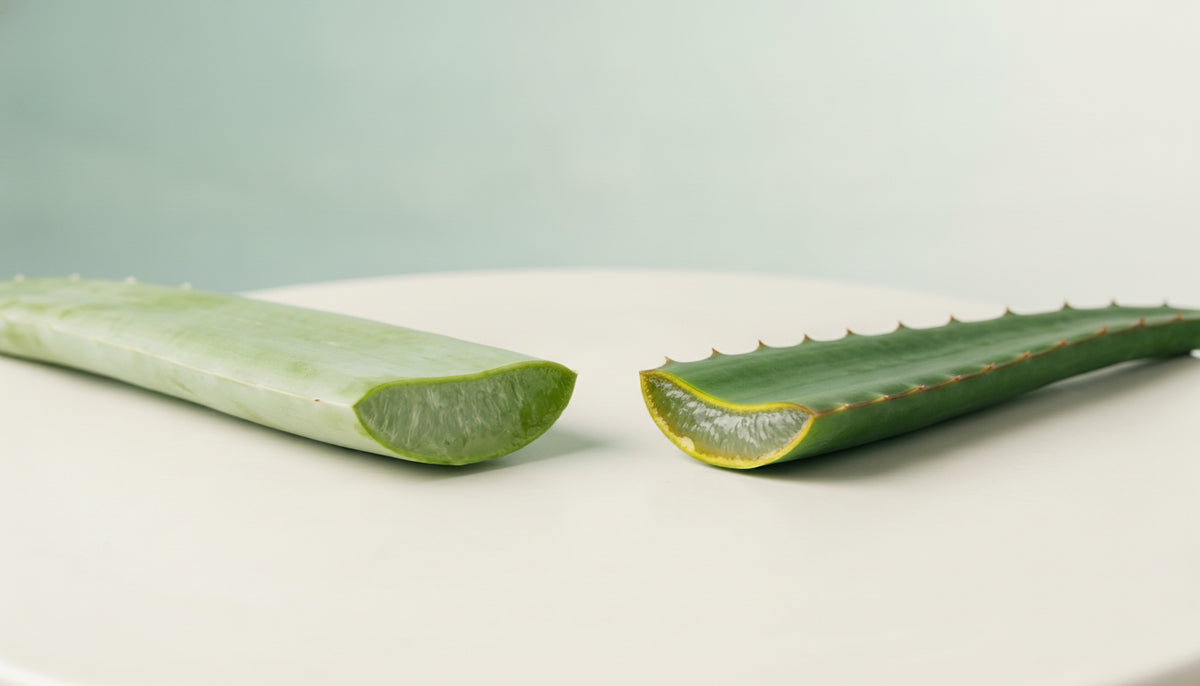
An aloe leaf has three layers, and they behave very differently:
- Rind: the green, fibrous outside of the leaf.
- Latex: a thin yellow layer under the rind. It contains aloin.
- Inner gel: the clear gel in the middle of the leaf. Aloe juice is made from this part.
How a juice is made decides how much aloin ends up in the bottle.
| Type of product | What goes into it | What to expect |
|---|---|---|
| Decolourised inner-leaf juice | The inner gel only, filtered to remove colour and aloin | Made for daily drinking at the suggested serving |
| Decolourised whole-leaf juice | The whole leaf, then filtered to bring the aloin down | Fine to drink when the aloin is within the industry limit |
| Whole-leaf juice that is not decolourised, or raw leaf | Gel and latex together | Bitter, with a laxative effect |
The International Aloe Science Council sets a limit of 10 parts per million of aloin for aloe products that are meant to be drunk. Our guide to decolourised and whole-leaf aloe juice explains the processing in more detail.
Possible side effects of aloe vera juice
- Loose stools or cramps. This is the complaint people report most. It usually comes from juice that has not been decolourised, or from drinking far more than the suggested serving.
- Stomach discomfort in the first days. Some people notice this when they start. Begin with 30ml, diluted in a glass of water, and see how you get on.
- Allergic reaction. This is uncommon. If you notice itching, a rash or swelling after drinking aloe juice, stop and get medical help.
If you notice any of these, drink less or stop. See a healthcare provider if the problem continues after you have stopped.
Who should ask a healthcare provider first
- Women who are pregnant or breastfeeding
- Children under 10
- People with a kidney condition or an inflammatory bowel condition
- People on prescription medication, especially for diabetes, the heart or the kidneys, and anyone taking diuretics, laxatives or blood thinners
- Anyone with a known allergy to aloe
If you take regular medication, your pharmacist can tell you quickly whether aloe juice fits with it.
How much aloe vera juice to drink per day
The suggested serving for Curaloe Aloe Vera Juice is 30 to 60ml a day, mixed with water. Start with 30ml. We do not recommend more than 60ml a day, because a larger amount only raises the chance of stomach discomfort. For timing and serving ideas, see the best time to drink aloe vera juice and how much.
What to check on the label
- The species. Look for Aloe barbadensis Miller. If the label only says "aloe", you do not know which plant is inside.
- "Inner leaf". This tells you the gel was separated from the rind and the latex.
- "Decolourised". This tells you the aloin has been filtered out.
- The percentage of aloe and the ingredient list. A short list is easier to judge.
- Where it was grown and bottled.
Our aloe label guide goes through each point with examples.
Curaloe Aloe Vera Juice is 98% aloe, made from the inner leaf of certified-organic Aloe vera (Aloe barbadensis Miller) and decolourised. It has no added sugar and is grown and bottled on our farm in Limpopo. It comes in 500ml and 1L bottles, and you can compare all aloe vera juice sizes.
Common questions
Can you drink aloe vera juice every day? Decolourised juice is made for daily drinking at the suggested serving of 30 to 60ml. If you are in one of the groups listed above, ask your healthcare provider first.
Can aloe vera juice cause diarrhoea? Yes, if the juice still contains aloin or if you drink much more than the suggested serving. Drink less or stop, and see a healthcare provider if it continues.
Can you drink aloe vera juice while pregnant or breastfeeding? There is not enough safety information, so ask your doctor or midwife before you drink it.
What about aloe vera juice and the kidneys or liver? If you have a kidney or liver condition, ask your doctor before you drink aloe juice. A general guide like this one cannot answer that for your situation.
Is Aloe ferox juice the same thing? No. Aloe ferox (bitter aloe) is a different species. Its bitters are made from the latex and are traditionally used as a laxative, which is a different use from a daily aloe vera juice. Read more in Aloe ferox vs Aloe vera for daily use.
Can you drink the gel from an aloe plant at home? Only the clear inner gel of Aloe vera, and only once the latex has been removed. See can you drink aloe vera straight from the plant?
Note: Curaloe products are food supplements, not medicines. If you are pregnant, breastfeeding, on prescription medication or have a chronic condition, please consult your healthcare provider before adding any supplement to your routine. The information in this post is educational and not medical advice.
Related: Why Curaloe grows Aloe vera (Aloe barbadensis Miller) →

Leave a comment
This site is protected by hCaptcha and the hCaptcha Privacy Policy and Terms of Service apply.