
Is Aloe Ferox Safe? Aloin, Side Effects and Daily-Use Aloe Explained
Is aloe ferox safe? Aloe ferox, also known as bitter aloe or Cape aloe, is a valued indigenous South African plant with a long traditional history, and it is generally considered safe when used sensibly. The point worth understanding is that aloe ferox is naturally high in aloin, a yellow compound found just beneath the leaf skin that has a strong laxative effect when swallowed. For everyday ingestion, many South Africans prefer a decolourised, single-species Aloe vera (Aloe barbadensis Miller) juice, which is processed to reduce aloin. As with any plant product you plan to consume regularly, speak to a healthcare provider first.
This guide explains what aloe ferox is, what aloin does, and how a decolourised daily-use aloe differs, so you can make an informed choice. None of the information below is medical advice.
Which aloe does Curaloe use?
Curaloe grows one species only: Aloe vera (Aloe barbadensis Miller), certified organic, on our own farm in Limpopo — no aloe ferox. Why we chose barbadensis.
Aloe Vera Juice 1L · Soothing Aloe Vera Gel 150ml · Aloe Vera Capsules
What is aloe ferox?
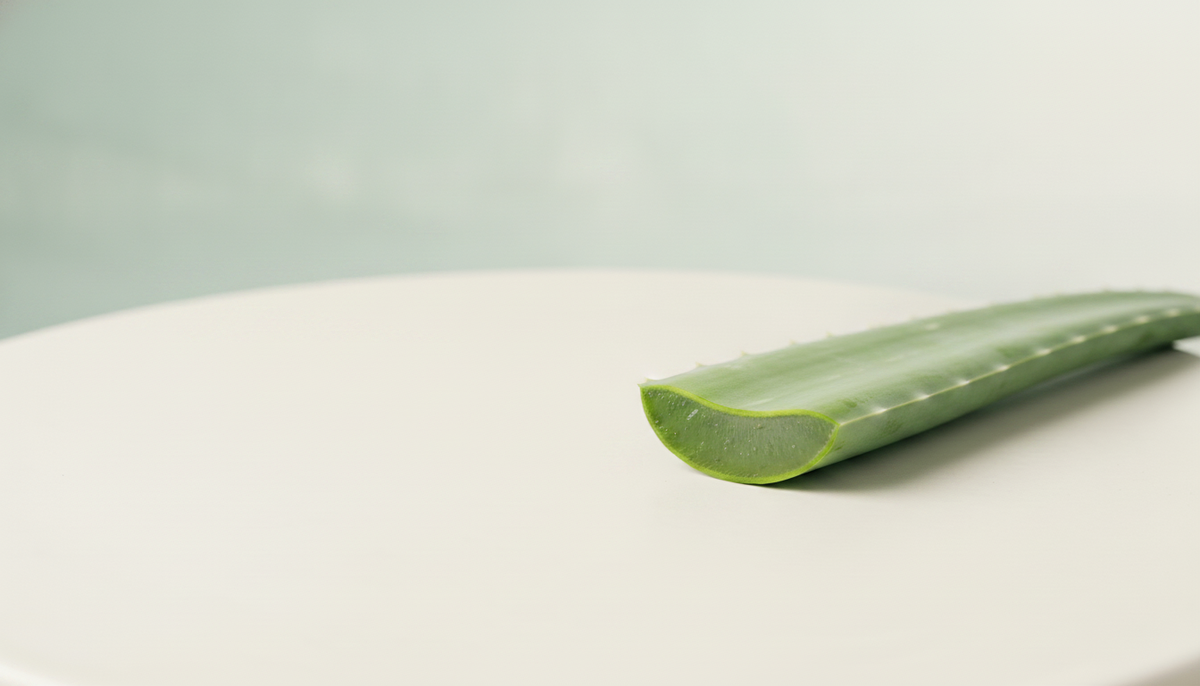
Aloe ferox is a tall, spiky succulent that is indigenous to South Africa, where it grows in the wild and has been part of traditional knowledge for generations. It is commonly called bitter aloe or Cape aloe, and the "bitter" in its name is a clue to its chemistry: the plant produces a bitter, yellow sap that sits in the layer directly under its leaf skin.
Historically, this bitter sap was prized precisely because it works as a laxative. That traditional use is genuine and respected, and it is the reason aloe ferox has long been harvested. It also means that ferox is a fundamentally different plant, with a different purpose, from the clear inner gel most people picture when they think of drinking aloe.
What is aloin, and why does it matter?
Aloin is the active bitter compound concentrated in the latex layer just beneath an aloe leaf's outer skin. It is found in many aloe species, but bitter aloe is particularly high in it. When aloin is swallowed in meaningful amounts, it stimulates the bowel, which is the basis of the laxative tradition.
For occasional, intentional use this is well understood. The consideration arises when someone wants to drink aloe every day as part of a wellness routine. A high-aloin product is simply not designed for that pattern of use, and regular intake of concentrated aloin is not something to undertake casually. This is exactly why processing matters, and why the distinction between raw whole-leaf material and decolourised juice is so important. You can read more in our explainer on decolourised vs whole-leaf aloe juice.
Is aloe ferox safe to drink every day?
Used occasionally and sensibly, aloe ferox has a long traditional place in South Africa. For daily ingestion, however, the high aloin content is the reason to pause and think. A product built around aloin's laxative tradition is not formulated for routine, everyday consumption, and the sensible step for anyone considering it is to consult a healthcare provider who knows their personal circumstances.
There is no need to fear or dismiss aloe ferox; it is a remarkable indigenous plant. The honest framing is simply about matching the right aloe to the right purpose. If your goal is a daily aloe drink, a decolourised single-species juice is the more suitable starting point.
Aloe ferox vs decolourised Aloe barbadensis Miller
The table below sets out the practical differences for anyone weighing up the two for ingestion. Both are aloes; they are not interchangeable.
| Factor | Aloe ferox (bitter aloe / Cape aloe) | Decolourised Aloe barbadensis Miller (true aloe) |
|---|---|---|
| Species | Aloe ferox, indigenous to South Africa | Aloe vera (Aloe barbadensis Miller), the true aloe |
| Aloin content | Naturally high | Reduced through decolourising |
| Traditional use | Associated with a laxative effect | Used as a daily wellness drink |
| Taste | Characteristically bitter | Mild |
| Daily-use suitability | Not formulated for routine daily ingestion | Formulated for daily wellness use |
For a deeper, evidence-led comparison, see the science of Aloe barbadensis Miller vs Aloe ferox.
How Curaloe grows and processes its aloe
Curaloe works with a single species, Aloe vera (Aloe barbadensis Miller), the true aloe. It is grown and processed at the ACAP (African Caribbean Aloe Products) plantation in Vivo, Limpopo, South Africa, using fresh inner-leaf gel rather than reconstituting a powder with water; we explain the difference in our note on cold-pressed vs reconstituted aloe juice.
Two steps make the juice suited to everyday use. First, it is single-species, so what is in the bottle is consistent Aloe barbadensis Miller rather than a blend. Second, it is decolourised, the processing step that reduces aloin. The result is a mild, daily-friendly drink rather than a high-aloin product tied to the laxative tradition.
The aloe carries Ecocert organic certification (covering both USDA NOP and EU organic standards), along with HACCP, Kosher and Halal certification. If you want the background on the species choice, our page on why we grow Aloe vera (Aloe barbadensis Miller) covers it in full.
Who should be cautious with ingestible aloe?
Regardless of which aloe you consider, some general precautions apply to any aloe you intend to swallow. As a sensible rule, ingestible aloe is not intended for:
- Children under 10
- People who are pregnant or breastfeeding
- Anyone living with kidney disease
- People taking medication, where interactions are a possibility
If any of these apply to you, the right move is to ask a healthcare provider before adding aloe to your routine. This guidance is general and does not replace a professional opinion about your own situation.
Choosing an aloe for daily wellness
If you simply want to enjoy aloe ferox as the traditional plant it is, use it occasionally and with awareness of its high aloin content. If your aim is a mild aloe drink you can reach for regularly, a decolourised, single-species Aloe vera (Aloe barbadensis Miller) juice is the more fitting choice.
For everyday sipping, many people start with the 500ml wellness boost and move up to the 1L aloe vera juice once it is part of their routine. For external use on skin, the organic soothing aloe vera gel is a topical option. Delivery is free on orders over R550.
Whichever you choose, keep the core idea in mind: aloe ferox and decolourised Aloe barbadensis Miller are different plants for different purposes. Understanding aloin is what lets you choose with confidence, and a quick word with your healthcare provider is always the safest first step.
Frequently asked questions
Can I drink aloe (aalwyn)? It depends on which aloe. Bitter aloe (Aloe ferox) is naturally high in aloin, which has a strong laxative effect when swallowed, so speak to a healthcare professional first if you want to drink it regularly. Our aloe juice is made from the inner leaf of Aloe vera (Aloe barbadensis Miller) and decolourised to reduce aloin, so it is suitable for daily use by healthy adults. Are you pregnant, taking medication or living with a medical condition? Consult your doctor first.
Is aloe ferox safe? Aloe ferox is a valued indigenous South African plant that is generally considered safe when used sensibly. It is naturally high in aloin, which has a strong laxative effect when swallowed, so anyone planning to ingest it regularly should speak to a healthcare provider first.
What is aloin and why does it matter? Aloin is the yellow compound found in the layer just beneath the aloe leaf skin. It gives bitter aloe its taste and underlies the laxative tradition of aloe ferox. Decolourised aloe is processed to reduce aloin, which is why it is favoured for everyday use.
What is the difference between aloe ferox and Aloe vera (Aloe barbadensis Miller)? They are two different species. Aloe ferox (bitter aloe or Cape aloe) is indigenous to South Africa and historically used for its laxative properties, while Aloe vera (Aloe barbadensis Miller), the true aloe, is the species Curaloe grows, processes and decolourises for daily wellness use.
Can I drink aloe juice every day? Many people enjoy decolourised, single-species Aloe vera (Aloe barbadensis Miller) juice as part of a daily routine because it is processed to reduce aloin. It is still a plant product, so consult a healthcare provider, and it is not intended for children under 10, during pregnancy or breastfeeding, with kidney disease, or alongside medication.
Does Curaloe's aloe juice contain aloin? Curaloe's juice is single-species Aloe vera (Aloe barbadensis Miller) and is decolourised, a step that reduces aloin compared with raw whole-leaf material, which is why it is formulated for daily wellness use rather than the laxative tradition of high-aloin bitter aloe.

Leave a comment
This site is protected by hCaptcha and the hCaptcha Privacy Policy and Terms of Service apply.