
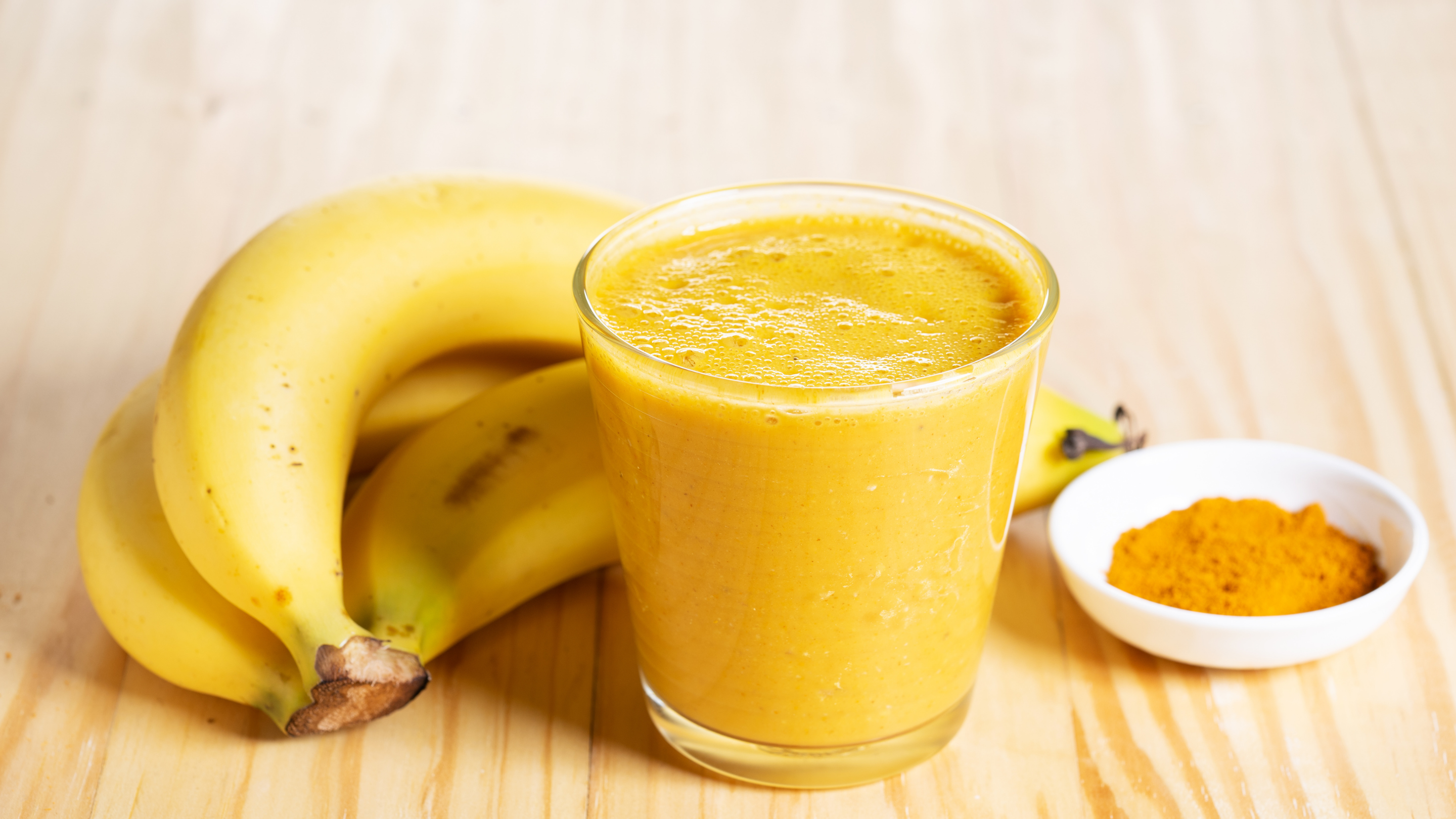
Turmeric, Aloe & Pineapple Smoothie: An Easy Recipe
This is a single-recipe post for one of the more visually striking smoothies in our rotation — a bright golden blend of pineapple, turmeric, ginger, and aloe juice. It's tropical, slightly spicy, and the colour is genuinely beautiful in the glass.
A note up front: turmeric is famously marketed for "anti-inflammatory" properties, and you'll find a thousand "anti-inflammatory smoothie" recipes online. We're not making that framing. The South African and international evidence base on turmeric's anti-inflammatory effects in everyday dietary doses (rather than concentrated medical doses) doesn't justify clinical claims, and SAHPRA regulations are clear on supplement claims. So this is just a really good smoothie. Drink it for the flavour and the morning ritual.
For the broader morning routine context, see our Daily Aloe Juice Ritual guide. For the full set of seasonal SA aloe smoothie recipes, see our recipes post.
Why we're not calling this anti-inflammatory
Quick honesty break.
What's true about turmeric:
- It's a kitchen spice with thousands of years of culinary and traditional use
- Its active compound (curcumin) has been studied in laboratory and animal settings
- Some clinical research on concentrated curcumin extracts has produced interesting preliminary findings
- The amount of curcumin in a teaspoon of turmeric in a smoothie is a fraction of clinical-trial doses
- Dietary turmeric, in normal kitchen amounts, is not a clinical anti-inflammatory intervention
We can use turmeric in a recipe because it tastes good and has a beautiful colour. We can't use it as the basis for clinical claims. The same logic applies to aloe — see our research post on aloe polysaccharides for the broader evidence picture.
So: golden smoothie. Lovely flavour. No clinical promises.
The recipe
Single serve (400ml glass) | ~4 minutes
Ingredients
- 1 cup fresh pineapple, cubed (or frozen pineapple chunks)
- 1 small frozen banana (for body and chill)
- 1 teaspoon ground turmeric (or 1cm fresh turmeric root, peeled, if you have it)
- 1cm fresh ginger root, peeled
- 60ml Curaloe Aloe Vera Juice
- 200ml coconut milk (the drinking carton kind, not tinned thick coconut milk)
- Juice of ½ lemon
- Pinch of black pepper (genuinely important — see ingredient notes)
- Pinch of salt
- Optional: 1 tablespoon honey, ½ teaspoon vanilla extract
Method
- Add the pineapple, frozen banana, turmeric, ginger, coconut milk, lemon juice, black pepper, salt, and any optional ingredients to the blender.
- Blend on medium-high for 45-60 seconds until completely smooth. The ginger and turmeric root (if using fresh) need the longer blend time.
- Add the aloe juice. Pulse on low for 5 seconds. (Don't over-blend the aloe — high-shear blending fragments the polysaccharide content.)
- Pour into a tall glass. The golden colour shows best in clear glass.
- Drink within 5-10 minutes. Turmeric smoothies separate as they sit.
Ingredient notes
Pineapple
Fresh pineapple is at its best in SA from late spring through summer (October-February). Frozen pineapple chunks work year-round and don't compromise the flavour meaningfully.
If using fresh, choose one that smells sweet at the base and has slightly yielding skin. Underripe pineapple makes the smoothie sharper and more astringent.
Turmeric
Ground turmeric (from a jar in your spice cupboard) is easiest. Fresh turmeric root is more aromatic but harder to find — try Indian grocers in major SA cities, or specialty markets.
A practical warning: turmeric stains. Stains plastic blender jugs, wooden spoons, light-coloured countertops, and especially clothing. Rinse the blender immediately after use. Don't wear a white shirt while making this.
Ginger
Fresh root only. Ground ginger doesn't have the same brightness. 1cm is the standard amount; adjust up or down for tolerance.
Black pepper (yes, really)
A pinch of black pepper makes a measurable difference to the curcumin profile in turmeric — piperine (the active compound in black pepper) is the standard partner ingredient. Add a small pinch. You won't taste it; it just sits in the background of the recipe.
Coconut milk
We mean the drinking carton kind (boxed, ~6-8% coconut content), not the tinned thick coconut milk used for cooking. Tinned coconut milk would make this smoothie too rich and fatty.
If you don't like coconut, oat milk or almond milk are reasonable substitutes. The smoothie will be slightly less tropical in character.
Lemon
Brightens the whole drink. Don't skip it. Fresh-squeezed only — bottled lemon juice has a different flavour profile.
Aloe juice
Standard 60ml morning pour. Blended in last on low speed. We use Curaloe Aloe Vera Juice 1L — single-species inner-leaf juice, for the reasons we cover in our cold-pressed vs reconstituted post.
Optional honey
Pineapple is usually sweet enough; the honey is only needed for less-ripe pineapple. If using, raw SA honey works best.
Optional vanilla
Adds aromatic depth that softens the turmeric's earthiness. Helpful for first-time turmeric drinkers who find the spice too prominent.
When this smoothie fits
The honest answer:
- Summer mornings when fresh pineapple is at its best
- Warm-weather days when you want something tropical-feeling
- As a rotation alternative to your standard morning smoothie or aloe pour
- As a brunch drink when entertaining (the golden colour is genuinely impressive in the glass)
- For people who like spice in the morning (turmeric + ginger is warming without being challenging)
When it doesn't fit:
- As a daily routine all year round — too tropical for some moods. Rotate with the 5 SA aloe smoothie recipes.
- Pre-workout — the pineapple acidity + ginger heat can be a lot on an empty stomach during exercise.
- If you don't like coconut — even the lighter coconut milk has a distinctive flavour that carries through.
- In white-shirt weather — see staining warning above.
How to think about turmeric in a smoothie
A few practical notes that make the difference between a good turmeric smoothie and an unpleasant one:
Start with less than you think
½ teaspoon for first-timers. Turmeric's earthiness is divisive. You can always increase next time once you know how you tolerate it.
Balance the bitterness
Turmeric is slightly bitter. The pineapple's sweetness and the lemon's brightness are what make this drinkable. Don't skip either.
Cold helps
Turmeric tastes more pleasant cold than at room temperature. The frozen banana matters for this reason as well as for texture.
Don't sit on it
Turmeric oxidises and the colour shifts from golden to brownish over hours. Make and drink fresh.
Black pepper is for curcumin, not flavour
The pinch is small enough you won't taste it. Don't skip it just because "pepper in a smoothie" sounds weird.
Variations
Without ginger
For people who find ginger too sharp in the morning, simply omit it. The pineapple-turmeric-coconut combination still works.
Mango variation
Replace half the pineapple with mango. Sweeter, less acidic. Best in summer mango season.
Higher-protein version
Add 1 tablespoon of plain Greek yoghurt or 1 scoop unflavoured protein powder. Increase coconut milk by 50ml to compensate.
Tropical shot version
Skip the banana and coconut milk. Juice the pineapple, mix with the aloe, turmeric, ginger, lemon, and pepper. Drink as a 100-120ml intense shot.
Things to skip
- Tinned cooking coconut milk — too thick and fatty for this recipe.
- Pre-mixed "golden milk" powder — usually contains added sugar and inferior turmeric. Make from scratch instead.
- Ground ginger — markedly different from fresh, and not in a good way.
- Boil/heat the smoothie — destroys the aloe content. This is a cold drink.
- Over-blend after adding aloe — pulse on low for 5 seconds only.
FAQ
Will this smoothie reduce inflammation?
We don't make anti-inflammatory claims. Turmeric and ginger are kitchen ingredients with long traditional use. This is a smoothie using them for flavour, not as a clinical intervention.
Is the colour from food colouring?
No — turmeric is a powerful natural pigment. The golden colour is real. It's also why the recipe will stain your blender if you don't rinse promptly.
Can I drink this every day?
You can, but most people prefer to rotate it with other smoothies. The turmeric flavour, while pleasant, gets repetitive faster than blander base flavours like banana-and-aloe.
Is it safe for pregnancy?
Dietary amounts of turmeric (kitchen-spice quantities, as in this recipe) are generally considered safe during pregnancy. Concentrated curcumin supplements are a different category and should be discussed with your healthcare provider. As always, if you're pregnant, breastfeeding, or have any specific health condition, consult your healthcare provider before adding new daily supplements (including aloe juice).
Will the black pepper actually do anything?
Piperine (in black pepper) is the standard partner for turmeric in cooking and supplement formulations because it affects how curcumin is metabolised. A pinch in a smoothie is mostly there because the pairing is traditional and the pepper is undetectable in flavour. Don't expect dramatic effects from the kitchen-spice amount.
Note: Curaloe products are food supplements, not medicines. If you are pregnant, breastfeeding, on prescription medication, or have a chronic condition, please consult your healthcare provider before adding any supplement to your routine. Information in this post is educational and not medical advice.
Related reading
- All our daily wellness guides
- 5 South African aloe juice smoothie recipes
- The daily aloe juice ritual
Related: Why Curaloe grows Aloe vera (Aloe barbadensis Miller), not Aloe ferox →


Leave a comment
This site is protected by hCaptcha and the hCaptcha Privacy Policy and Terms of Service apply.