

4 Things That Stress SA Skin (and How to Build a Routine Around Them)
Most "anti-ageing" content treats ageing as something to fight against — with the right products, the right routine, the right ingredients, you can supposedly slow or reverse the visible signs. The honest version is less marketable: ageing is a normal biological process that no cosmetic product reverses. What products can do is help protect against the cumulative environmental stressors that accelerate visible changes faster than biology alone would.
In South Africa specifically, the cumulative stressors are well-defined and relatively predictable. This post identifies the four biggest ones — UV exposure, dehydration, pollution, and barrier disruption — and offers a sensible aloe-based routine adjustment for each. No anti-ageing miracle promises. Just the practical version of "how to protect SA skin from the things that genuinely stress it."
For the bigger picture, see our guide to skincare in South African climates.
Stressor 1: UV exposure
The single largest contributor to visible skin changes in SA. The country's UV environment is among the most intense in the world: high altitude in inland regions (Joburg, Pretoria, Bloemfontein), strong year-round UV near the coast (Durban, Cape Town summer), and the kind of sunny outdoor culture that means most South Africans get more cumulative UV exposure than people in northern countries.
What UV actually does to skin
- UV-A penetrates deeper and contributes most to cumulative changes (pigmentation patterns, loss of skin firmness over time, dullness)
- UV-B causes surface burning and contributes to localised DNA damage
- Both penetrate clouds and glass to varying degrees
- The damage is cumulative — there's no "safe tan" and no SPF that prevents all UV reaching the skin
Routine adjustments for UV
- Broad-spectrum SPF 50 every day, year-round, regardless of weather (the single most important variable)
- Generous application — ¼ teaspoon for face alone
- Reapplication at midday if outdoors at all
- Mineral SPF (zinc oxide, titanium dioxide) for sensitive skin; chemical SPF for those who prefer the lighter texture
- Hats, sunglasses, shaded breaks during 10am-3pm peak UV
- Vitamin C serum in the morning (3-5 days a week) — supports the skin's natural protection alongside SPF, never instead of it
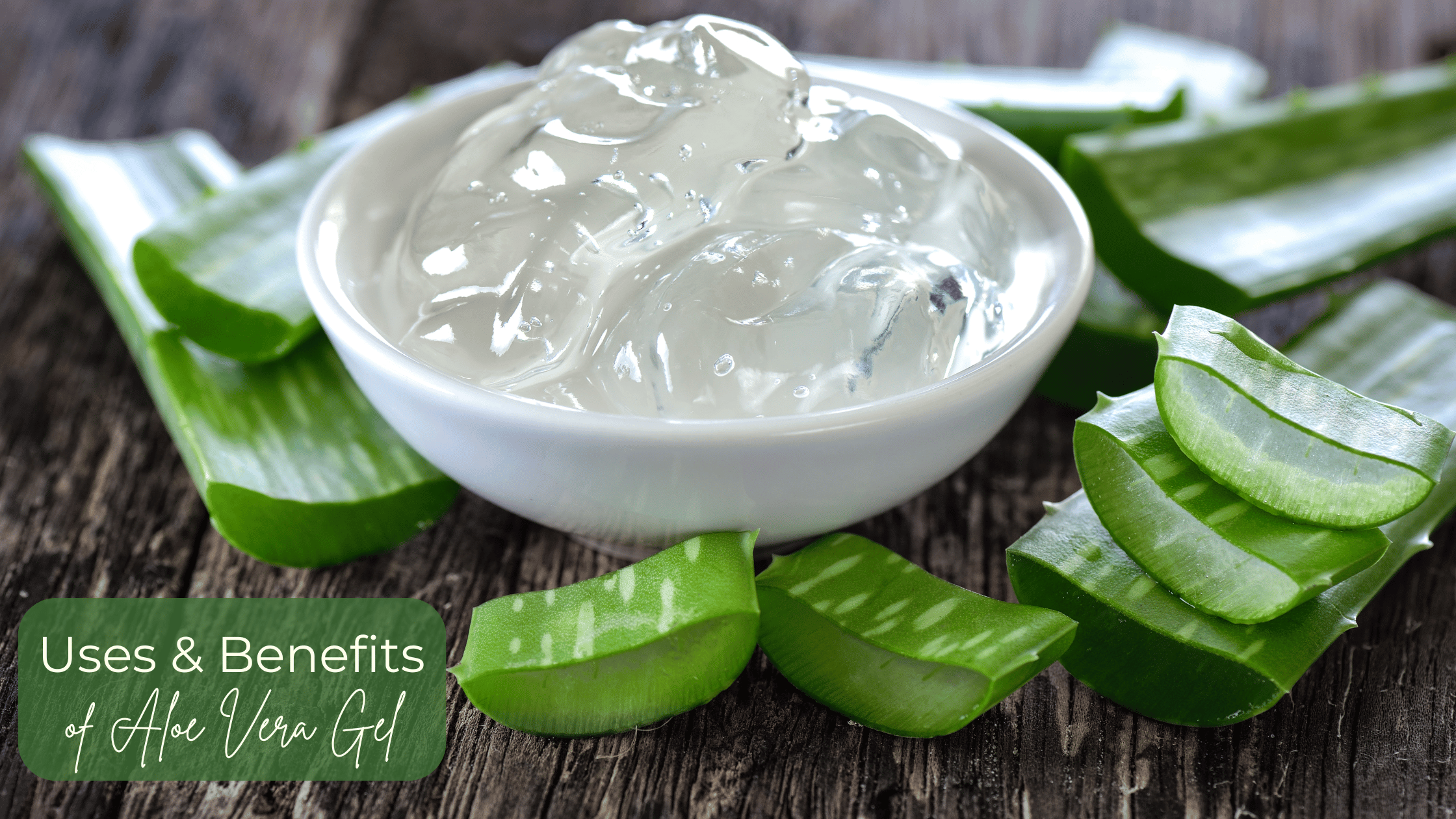
A layer of Curaloe Soothing Aloe Vera Gel under your SPF gives the skin a hydration base before the sunscreen layer, and helps with post-sun recovery in the evening (see our post-sun hydration post).
Stressor 2: Dehydration
SA's climates dehydrate skin in different ways:
- Cape Town's wind strips moisture mechanically (especially southeaster summer days)
- Joburg's altitude + dry air evaporates moisture rapidly, year-round
- Durban's humidity is the exception — but heavy sweat + sun + salt air can still dehydrate
- Air-conditioning indoors (offices, cars, malls) dehydrates regardless of outdoor climate
The effects: dull complexion, fine lines appearing or becoming more visible, sebum overproduction (the skin's response to dehydration), tightness after washing, makeup looking patchy by midday.
Routine adjustments for dehydration
- Lukewarm water cleansing (hot water strips the barrier and accelerates dehydration)
- Apply skincare to damp skin — products work better and dehydration is reduced when you trap moisture as part of the application
- Aloe gel as a hydration base layer — inner-leaf aloe is humectant, binding water to the skin surface
- Lightweight moisturiser layered over the aloe gel (heavier creams aren't always better — they can suffocate skin in some climates)
- Humidifier in dry rooms (especially Joburg winter bedrooms and air-conditioned offices)
- Internal hydration — a glass of water + 30-60ml daily Curaloe Aloe Vera Juice is a sensible morning anchor for overall fluid intake
For climate-specific routine adjustments, see our summer skincare guide for Cape Town, Joburg and Durban.
Stressor 3: Pollution
Underestimated in skincare conversation. South Africa's major cities — particularly Joburg, Pretoria, Durban industrial areas, and parts of the Vaal — have significant air pollution from traffic, industrial emissions, and seasonal veld fires. Particulate matter settles on skin, contributes to oxidative stress, and may accelerate visible changes over time.
The effects: dullness, increased congestion in pores (especially around the T-zone), uneven skin tone, sensitised skin reacting more easily.
Routine adjustments for pollution
- Evening double-cleansing when you've spent time in heavy traffic or outdoor city pollution (oil cleanser first to lift the day's residue, then a gel cleanser)
- Antioxidant serum in morning — vitamin C is the most evidence-supported; niacinamide is another well-tolerated option
- Light exfoliation 1-2× per week (gentle chemical exfoliation, not physical scrubs) to clear surface buildup
- Aloe gel layer in evenings to support barrier recovery from a long pollution-exposed day
- A hat or umbrella during fire season (summer in the Western Cape, late winter inland) — the smoke particulate is significant
Stressor 4: Barrier disruption
The cumulative result of all the other stressors, plus over-treatment. South African consumers are exposed to the same global skincare marketing that pushes aggressive ingredient routines — multiple actives, frequent strong exfoliation, harsh cleansers — and many SA skin types react badly to this pattern. The result is a chronically compromised skin barrier that reacts to everything, ages visibly faster, and never quite recovers between aggressive sessions.
The effects: skin that's reactive to ingredients it previously tolerated, persistent low-grade redness, fine lines deepening from chronic dehydration, products that used to work suddenly causing breakouts or stinging.
Routine adjustments for barrier disruption
- Stop all actives for 4-6 weeks when the barrier is clearly compromised (retinol, AHAs, BHAs, vitamin C — all paused)
- Switch to gentle cleansing only (no foaming sulphate cleansers during recovery)
- Aloe gel as the daily hydration core — minimal ingredient list, low reaction risk, supports barrier recovery
- Single fragrance-free moisturiser layered over aloe (ceramides + emollients; avoid essential oils)
- No new product introductions during recovery — give the skin time to stabilise on what's already there
- Reintroduce actives one at a time, very gradually once the barrier is calm — start with the gentlest (vitamin C 5%, retinaldehyde 2-3× weekly, mandelic acid weekly)
- Patch test every new product — see our patch-test guide
For sensitive/reactive skin specifically, our Gentle Aloe Skincare post covers a barrier-rebuilding routine in detail.
A combined 5-step daily routine that addresses all 4 stressors
Built around the principle that the foundations matter more than individual hero products:
Morning (5 minutes)
- Lukewarm water rinse (or gentle cleanser if you wore SPF/makeup yesterday and didn't double-cleanse properly)
- Vitamin C serum (3-5 mornings a week, if tolerated) — for antioxidant protection and pollution defence
- Curaloe Soothing Aloe Vera Gel layer on damp skin — hydration + buffer
- Lightweight moisturiser appropriate for your climate
- Broad-spectrum SPF 50 — generous application, daily, no exceptions
Evening (5-7 minutes)
- Double-cleanse if you wore SPF or makeup — oil cleanser then gel cleanser
- Optional treatment (2-3 nights per week): retinaldehyde, mandelic acid, or a gentle BHA — rotated, not stacked
- Aloe gel layer on damp skin (buffers active, supports overnight hydration)
- Moisturiser slightly richer than morning if needed
- Eye cream if you use one (the under-eye area is one of the first to show cumulative changes)
Weekly maintenance
- Once a week: gentle clay or enzyme mask (skip if reactive)
- Once a week: gentle exfoliation (mandelic acid is the most forgiving)
- Daily: drink a glass of aloe juice as part of overall hydration
What this routine doesn't promise
To be clear about what cosmetics actually do:
- ✅ Help protect against cumulative environmental damage (with consistent SPF)
- ✅ Support barrier function (with gentle routine and avoiding overtreatment)
- ✅ Improve hydration and surface appearance (with humectants and emollients)
- ✅ Gradually improve some changes over months (with evidence-based actives)
- ❌ Reverse ageing
- ❌ Erase existing wrinkles or pigmentation
- ❌ Replace in-clinic treatments for dramatic concerns
- ❌ Work overnight or in 7 days
If you want dramatic visible change in a short timeframe, in-clinic treatments (lasers, injectables, peels) are the category for that. Daily cosmetic routines support steady gradual improvement over months and protect against ongoing stress.
When to involve a professional
See a dermatologist when:
- Pigmentation patterns are new, asymmetric, or fast-changing
- Skin sensitivity is significantly affecting your daily life
- A new product is causing prolonged adverse reactions
- Cumulative damage from past sun exposure needs evaluation
- You want a treatment plan for specific concerns beyond cosmetic routine
A cosmetic routine, even a good one, doesn't replace medical input when needed.
FAQ
Is one of the 4 stressors more important than the others?
UV is by far the biggest single contributor in SA's environment. If you only fix one thing about your routine, daily broad-spectrum SPF 50 is it.
Does drinking aloe juice help protect against any of these stressors?
We don't make protective claims about aloe juice. It contributes to overall daily hydration and is part of a balanced lifestyle, but it's not a "shield" against UV or pollution. The topical aloe gel has a more direct cosmetic role; the juice is general daily wellness.
Can I use this routine if I'm in my 20s?
Yes — the routine works for any adult. Earlier consistent SPF + barrier care = less cumulative damage to address later. The "anti-ageing" framing usually starts in marketing copy aimed at 40+, but the underlying protective practices are valuable at every age.
What about night-time pollution exposure?
Less of a factor than daytime, but evening double-cleansing addresses it sufficiently. The bigger issue is sleeping in makeup or SPF — never do that.
Should I use a different routine in different seasons?
Yes, slightly. See our summer skincare guide for Cape Town, Joburg and Durban for city-specific seasonal adjustments.
Note: Curaloe products are topical cosmetics and food supplements, not medicines. If you have a diagnosed skin condition or are using prescription topicals, please consult your dermatologist. Information in this post is educational and not medical advice.
Related reading
- All our skincare guides for South African climates
- Summer skincare: Cape Town vs Joburg vs Durban
- Skincare for South African climates
Related: Why Curaloe grows Aloe vera (Aloe barbadensis Miller), not Aloe ferox →


Leave a comment
This site is protected by hCaptcha and the hCaptcha Privacy Policy and Terms of Service apply.