
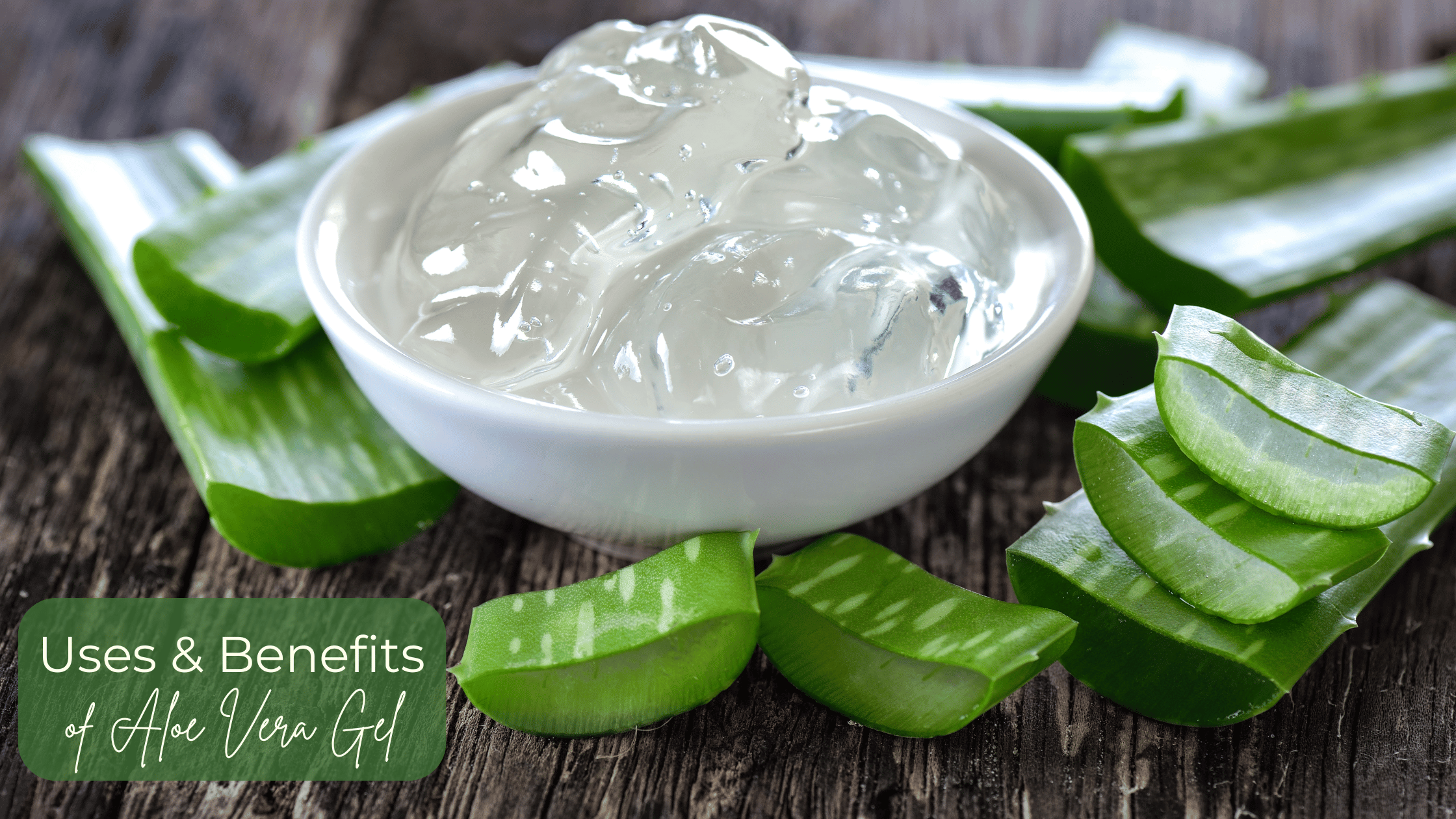
Aloe Gel: 7 Daily Uses Beyond the Face (Skin, Hair, Hands)
Most aloe gel marketing focuses on the face — and that's the primary use case for a cosmetic gel. But once you have a tube of Curaloe Soothing Aloe Vera Gel in your bathroom, there are a handful of other practical daily applications that genuinely work and don't require buying additional specialised products.
This post covers seven of them — straight cosmetic uses, no "miracle gel" framing, no treatment claims, no promises of dramatic transformation. Just the practical version of "what else does this tube actually do well?"
For the broader skincare framework, see the Skincare for South African Climates pillar. For face-specific applications, see our Aloe Skincare for Oily/Blemish-Prone Skin post and Summer Skincare guide.
A note on the "miracle gel" framing
You'll see aloe gel marketed as a "miracle product" everywhere. The reality is more modest and more useful: inner-leaf aloe gel is a low-risk, well-tolerated cosmetic ingredient with several practical applications. It doesn't perform miracles — but it does a number of things well enough that one tube can replace 3-4 specialised products in most bathrooms.
That's worth something. It's just not a miracle.
Use 1: Daily hand and cuticle care
If your hands take a beating — from washing dishes, hand sanitising, working outdoors, gardening, or just frequent washing in SA's dry inland climates — a thin layer of aloe gel on damp hands keeps the cuticles softer and the skin less prone to cracking than nothing at all.
How
After washing your hands, while they're still slightly damp, smooth a small amount of aloe gel over the backs of your hands and into the cuticle areas. Let it absorb for 30 seconds. Follow with hand cream if you have one.
Why this works
Aloe gel is humectant (binds water to the skin surface) and lightweight (doesn't leave hands slippery for work). Particularly useful in winter when most hand creams feel too heavy for daytime use.
Use 2: Post-shave (for men and women)
A common reaction to shaving — razor burn, ingrown hairs, mild redness — is partly a matter of skin barrier disruption from the blade. A thin layer of aloe gel after shaving (face, legs, underarms, body) supports the surface as it recovers.
How
After shaving, rinse with cool water, pat dry, apply a thin layer of aloe gel. Let absorb before adding moisturiser or sunscreen.
Why this works
Aloe gel is non-occlusive — doesn't clog freshly-shaved follicles — and has a cosmetically calming effect on the surface. Works for any shave context.
We cover the men's routine specifically in our Men's 3-Product Aloe Skincare Routine post.
Use 3: Hair care — for scalp and hair tips
Two distinct uses for hair:
Scalp application
For dry, itchy, or product-buildup-affected scalp: massage a small amount of aloe gel into the scalp 30-60 minutes before shampooing. Rinse out thoroughly.
Hair-tip application
For dry hair ends (especially in low-humidity SA inland climates): rub a tiny amount of aloe gel between your palms, smooth onto damp hair ends after washing. Don't apply to roots — it'll weigh hair down.
What it won't do
- Grow hair (no evidence; ignore claims to the contrary)
- Repair structurally damaged hair (heat damage, chemical damage)
- Replace conditioner (it's not a conditioner)
- Treat scalp conditions like dandruff or seborrheic dermatitis (those are medical; see a dermatologist)
The practical effect: slightly softer-feeling hair, less visible frizz, occasional scalp comfort after a heavy product-removal session. Useful as a complement to your usual hair routine, not a replacement.
Use 4: Post-sun on body (not just face)
A beach day, a long hike, a sports practice in the sun — the body skin (shoulders, chest, arms, legs) gets the same UV exposure as the face but rarely the same skincare attention. A generous layer of aloe gel on cool, lukewarm-washed skin after sun exposure is a simple way to support body skin overnight.
How
After your post-sun shower, pat skin dry, apply aloe gel generously to all sun-exposed body areas. The 118ml tube is sized primarily for face use but can stretch across body areas for occasional post-sun use. For frequent body application, consider keeping a larger tube specifically for body.
What it won't do
Treat actual sunburn (the blistering, fevered, painful kind — that's a medical situation). Replace SPF (the gel goes on AFTER the sun has already done its work).
For the full post-sun protocol including internal hydration, see our Post-Sun Hydration post.
Use 5: Dry patches on body (elbows, knees, shins)
Rough dry patches that don't quite warrant a heavy body butter respond well to a thin layer of aloe gel applied to damp skin after a shower, followed by a light moisturiser. The aloe binds water in; the moisturiser seals it.
How
After shower, while skin is still damp, smooth aloe gel over the dry patch. Wait 30 seconds. Add your usual body lotion or oil over the top.
Why this works
Dry patches often respond better to humectant-then-emollient layering than to emollient alone. Aloe gel is the humectant in this combination.
What it won't do
Treat eczema, psoriasis, or any other diagnosed condition. For those, see a dermatologist — see also our Gentle Aloe Skincare for Sensitive Skin post for general gentle-routine principles.
Use 6: Post-workout shower routine
If you train regularly, the combination of sweat + soap + sometimes salt water (pool, beach) can dry the skin out faster than typical daily showers. A quick aloe gel layer over the whole body — on damp skin — after a post-workout shower keeps the skin from feeling tight by mid-afternoon.
How
After a quick rinse, while skin is still damp, smooth a thin layer of aloe gel over shoulders, chest, arms, and any dry areas. Pat skin dry through the gel layer. Get dressed; the gel absorbs in 1-2 minutes and won't transfer to clothes.
Why this works
Post-workout skin is often slightly dehydrated from the sweat losses + shower combination. Aloe gel adds humectant moisture without the heaviness of full body lotion (which can feel uncomfortable when you're still slightly warm from exercise).
Use 7: Travel-day skin recovery
Long-haul flights are notoriously hard on skin — cabin air at 10-20% humidity is drier than most deserts. The face, hands, and exposed neck dehydrate measurably across a 6+ hour flight.
How
Bring a small (under 100ml — TSA compliant) container of aloe gel in hand luggage. Mid-flight, splash your face with cool water in the bathroom, pat dry, apply a thin layer. Repeat on landing.
Why this works
The aloe gel binds the moisture you've just added to the skin via the splash, slowing the cabin air's continued evaporative drying. Less effective than a full skincare routine, but practical when you can't do a full routine on a plane.
For more on travel-friendly aloe formats (juice + capsules), see our Travel-Friendly Aloe post.
What aloe gel won't do (the honest list)
To prevent overpromising:
- ❌ Grow hair, stop hair loss, or treat baldness
- ❌ Erase scars, stretch marks, or pigmentation
- ❌ Treat acne, eczema, psoriasis, or any diagnosed skin condition
- ❌ Replace SPF, moisturiser, cleanser, or specialised treatments
- ❌ Reverse ageing or wrinkles
- ❌ Heal wounds (cuts, burns, deep abrasions — these need medical care)
- ❌ Act as antibacterial or antimicrobial agent
- ❌ Whiten teeth or freshen breath (yes, we've seen marketing claim this)
Aloe gel is a useful, gentle, multipurpose cosmetic ingredient. That's enough. Marketing that claims more is overstating reality.
Why one ingredient can serve many uses
The reason aloe gel works across these contexts is its specific cosmetic profile:
- Humectant — binds water to skin surface
- Lightweight, non-occlusive — doesn't suffocate skin or clog pores
- Low irritation risk — tolerated by most skin types
- Short ingredient list — fewer potential reaction triggers
- Compatible with most other cosmetic products — layers cleanly under SPF, makeup, body lotion
It's not magic. It's just a useful combination of properties that makes it work in many different contexts without overdelivering on any single one. The molecular reasons behind this are covered in our acemannan post.
A practical "stocking the cabinet" recommendation
If you want to consolidate skincare into fewer products:
- One tube of Curaloe Soothing Aloe Vera Gel (covers face, hands, post-shave, post-sun, body dry patches, hair tips, travel)
- One lightweight facial moisturiser
- One broad-spectrum SPF 50
- One gentle cleanser
- One body wash
- One body lotion
- One conditioner
- Optional: 1-2 active ingredients you actually use (vitamin C serum, retinaldehyde)
That's a fully functional skincare cabinet for one person, year-round, with one tube of aloe gel handling the multipurpose tasks that would otherwise require 3-4 separate specialised products.
FAQ
Can I use the same tube for face and body?
Yes, hygienically — apply with clean fingers or a small spatula. The 118ml tube is sized primarily for face use, so for daily body use you might prefer a larger tube specifically for body.
Is it safe to use on babies and young children?
For 3+ years old, generally yes for occasional cosmetic use. Patch test first. Under 3, consult a paediatrician.
Can pets benefit from aloe gel?
Important note: oral consumption of aloe is toxic to many pets (dogs, cats). Topical application on pet skin is not something we recommend without veterinary input — pets often lick off topical products. Consult a vet for pet skincare.
How long does one tube last?
The 118ml tube lasts 3-4 months for daily face use, or 1-2 months for face + occasional body use, for one person.
Should the gel be refrigerated?
Not necessary for product stability, but a refrigerated aloe gel feels especially cooling post-sun. Some people prefer keeping a small tube in the fridge during summer.
Note: Curaloe products are topical cosmetics, not medicines. If you have a diagnosed skin condition or are using prescription topicals, please consult your dermatologist before adding new products. Information in this post is educational and not medical advice.
Related reading
- The SA-Climate Skincare Hub — the broader topic guide.
- A men's 3-product aloe skincare routine for SA
- Skincare for South African climates
Related: Why Curaloe grows Aloe vera (Aloe barbadensis Miller), not Aloe ferox →


Leave a comment
This site is protected by hCaptcha and the hCaptcha Privacy Policy and Terms of Service apply.