
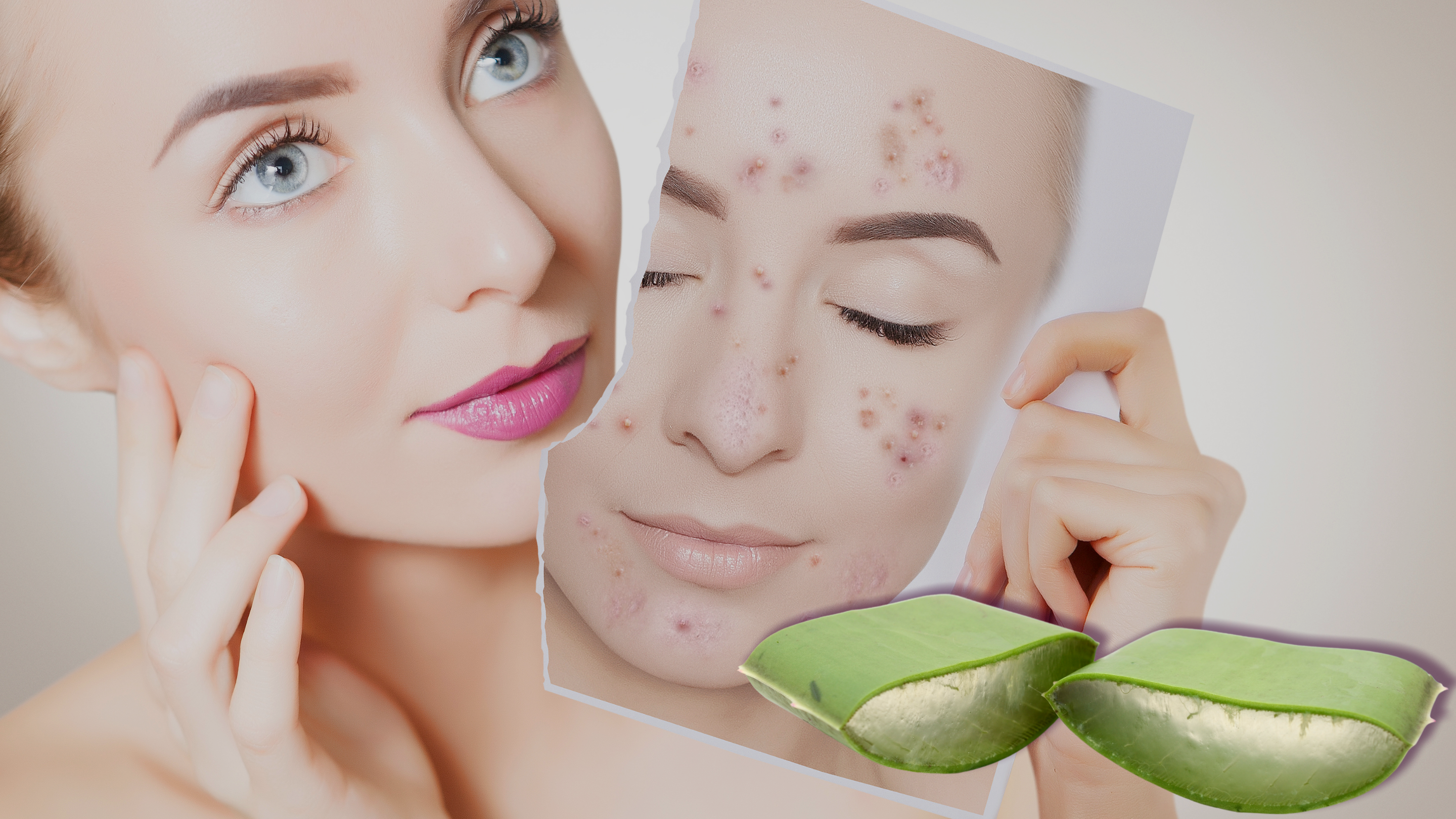
Aloe Skincare for Oily, Blemish-Prone Skin (Cosmetic Approach, Not Treatment)
If you have oily, blemish-prone skin, you've probably been sold a lot of products that claimed to "fix" it. Most of them didn't, because no over-the-counter skincare product fixes acne — at most, well-formulated cosmetics support the skin barrier, reduce triggers, and create conditions where the skin behaves a little better.
This post is about how aloe-based cosmetics fit into a sensible routine for that skin type. It's strictly cosmetic — we're not making treatment claims, and we won't be using words like "cure," "clear," or "treat." If you have genuine inflammatory acne, you need a dermatologist, not a blog post. What this post can do is help you build a daily routine that doesn't make things worse and gives your skin a gentler baseline to work from.
For the broader skincare-and-SA-climate framework, see the Skincare for South African Climates pillar. For label literacy (helpful when navigating "acne" marketing claims), our skincare label terms guide is the place to start.
What oily, blemish-prone skin actually wants from a routine
A few simple principles that hold up across skin science and decades of practical experience:
1. Gentle cleansing — not harsh stripping
Counter-intuitively, harsh cleansing makes oily skin worse over time. The skin responds to being stripped by producing more sebum. Foaming sulphate-based cleansers, alcohol toners, and aggressive scrubs can trigger this rebound oil production within hours of use.
A gentle gel or cream cleanser, used twice a day, removes surface oil and debris without sending the skin into emergency mode.
2. Light moisture, not heavy occlusion
Oily skin still needs hydration — what it doesn't need is heavy occlusive moisturisers that sit on top of the pores and trap sebum underneath. Lightweight gel-textured moisture is the sweet spot. This is where aloe-based products tend to fit naturally.
3. Strategic active ingredients, not constant exfoliation
Once or twice a week of gentle exfoliation (chemical, not physical) is usually enough. Daily exfoliation, especially with strong actives, disrupts the barrier and creates a cycle of irritation → inflammation → more breakouts.
4. Consistent sunscreen
Sun damage worsens post-blemish pigmentation. Daily broad-spectrum SPF is non-negotiable for any skin type but especially for blemish-prone skin that's healing from frequent small marks. In SA's UV environment this matters even more — see our summer skincare guide for city-specific routines.
5. Patience
Skin turnover takes roughly 28 days. Real changes from any routine show up at the 6-8 week mark, not the 6-8 day mark. Routine-switching every two weeks is one of the most common reasons people don't see results.
Where aloe gel fits in this routine
Curaloe Soothing Aloe Vera Gel is a single-ingredient inner-leaf aloe gel. For oily, blemish-prone skin, it has four useful properties:
1. Lightweight, non-occlusive texture
It hydrates without forming a heavy occlusive layer. This matters for skin that's prone to congestion — heavy moisturisers contribute to clogged pores; aloe gel doesn't.
2. Cosmetically soothing
Skin that's stressed (from breakouts, from active ingredients in your routine, from sun exposure, from wind) tends to feel calmer after a layer of aloe gel. This is a cosmetic effect, not a medical claim — but it's a real subjective experience for most users.
3. Acts as a "buffer" layer
If you use stronger actives (salicylic acid, retinol, benzoyl peroxide), applying aloe gel between the active and your moisturiser can reduce irritation without canceling the active's benefits. The active still does its work; the aloe gel softens the contact and helps the barrier recover.
4. Compatible with most other skincare
Aloe gel layers well with most cosmetic ingredients. It doesn't pill under sunscreen (when given time to absorb). It doesn't oxidise actives like vitamin C as long as it's applied after, not before.
What it isn't:
- A spot treatment for active inflamed pimples (it won't shrink them dramatically)
- An exfoliant
- A replacement for medical acne treatment
- A "miracle" product (skip anyone claiming it is)
What dermatologists typically point to (and what they don't)
A note on the "dermatologist-recommended" framing you'll see on a lot of aloe-skincare marketing:
Dermatologists do generally view inner-leaf aloe gel as a low-risk, gentle cosmetic ingredient that's well-tolerated by most skin types — including oily and blemish-prone skin. The reasons they typically cite:
- It's non-occlusive. Doesn't sit on the pore surface and trap sebum the way heavy moisturisers can.
- It's a low-comedogenic single ingredient. Less likely to contribute to congestion than complex moisturisers with multiple emollients.
- It's mild on a barrier that's already stressed. Useful as a buffer between active ingredients and your moisturiser.
- It absorbs quickly. Doesn't interfere with the rest of the routine layering.
What dermatologists don't claim:
- That aloe gel is an acne treatment
- That it "cures" or "clears" anything
- That it replaces prescription topical therapies for diagnosed conditions
The mainstream dermatology consensus on aloe gel is the same as our framing here: useful cosmetic ingredient that supports a gentle routine, not a treatment. If you encounter a product or article claiming dermatologists "endorse" aloe vera as an acne cure, treat the claim with scepticism — that's not the same as what the profession actually says.
Aloe gel for surface redness and lightweight hydration
A specific use case worth calling out: oily and blemish-prone skin that's also dealing with surface redness and hydration imbalance — the combination most common in summer and in air-conditioned environments.
Why these often go together
Oily skin is frequently dehydrated underneath. The sebum production looks like "too much moisture" on the surface, but the deeper layers of skin can be water-poor — especially after harsh cleansing, long flights, sun exposure, or low-humidity environments. The skin compensates by producing more oil to seal in what little moisture is there. The cycle perpetuates.
Add a layer of post-blemish surface redness, post-active-ingredient irritation, or wind/sun-driven flushing, and the visible result is the classic "oily and inflamed" look that makes routine-building difficult.
Where aloe gel fits this specific picture
A thin layer of Curaloe Soothing Aloe Vera Gel applied to damp skin:
- Adds water-binding without occluding the pores
- Cosmetically supports a calmer-looking surface appearance when applied to areas of post-blemish redness or surface irritation (this is cosmetic, not therapeutic — it doesn't "treat" redness, it gives the surface a more even appearance and reduces the visual contrast)
- Layers under sunscreen without pilling, so the daytime routine stays intact
- Acts as a single-product solution for the morning when you want to skip a separate moisturiser entirely (especially in humid environments like Durban summer)
When to use it specifically for redness
- After a long-haul flight (cabin air is extremely dry)
- After a beach day or pool day (sun + salt = transient surface flushing)
- After exfoliating actives (AHA/BHA, retinol) — applied as a buffer between the active and your moisturiser
- During the healing window of a single inflamed spot — applied with a clean fingertip to the spot only, several times a day
What it won't do: shrink an active pimple dramatically, "clear" rosacea-like persistent redness (that's a medical category — see a dermatologist), or replace a proper barrier-repair routine when the skin is genuinely compromised.
A practical daily routine for oily, blemish-prone skin
This is a real-world routine using cosmetic-grade products. Adjust for your specific tolerance.
Morning (5 steps)
- Gentle gel cleanser with lukewarm water. Pat dry.
- Optional: hydrating toner (alcohol-free) — skip if you're keeping it simple.
- Lightweight serum (something with niacinamide or zinc PCA if you want a targeted addition, or skip if your skin is doing well without).
- Layer of Curaloe Soothing Aloe Vera Gel on damp skin. Wait 2-3 minutes to absorb.
- Broad-spectrum SPF 50 in a lightweight or "dry-touch" formulation. Reapply if outdoors midday.
That's it. Five steps, all gentle, all compatible with most skin types within the blemish-prone category.
Evening (4-6 steps)
- Double-cleanse if you wore SPF, sunscreen, or makeup — oil-based cleanser first (any plant-oil-based balm or oil), then your gel cleanser.
- Optional: hydrating toner.
- Treatment step (2-3 nights per week, NOT every night):
- Some nights: a gentle BHA (salicylic acid 1-2%) leave-on
- Other nights: a low-strength retinol or retinaldehyde
- The remaining nights: no treatment — just rest the skin
- Layer of aloe gel to buffer the treatment step.
- Lightweight moisturiser if you need it (in humid Durban summer you might skip; in dry Cape Town winter you'll want it).
- Spot treatment (BPO, sulphur, or similar) only on actual active blemishes, not on the whole face.
Weekly additions
- Once a week: clay mask if you find your skin gets congested. 10-15 minutes only — don't let it fully dry on the skin (causes overdry rebound).
- Once a week: gentle chemical exfoliant (mandelic acid is a great option for blemish-prone skin — milder than glycolic).
- Never daily: physical scrubs. They damage the barrier and worsen the long-term picture.
Things to skip for oily, blemish-prone skin
These commonly-recommended products often make things worse:
1. Foaming high-sulphate cleansers
Strip the barrier, trigger rebound oil production, leave skin tight. Switch to a gentle gel cleanser instead.
2. Alcohol-based "astringent" toners
Dry the skin out artificially. The skin compensates by producing more oil. The very thing they claim to address gets worse.
3. Heavy occlusive face creams
Trap oil and sebum under the skin's surface, contributing to congestion. Lightweight gel-cream moisturisers are better.
4. Daily strong actives (especially without buffering)
Daily retinol + daily BHA + daily AHA + daily benzoyl peroxide is a recipe for an irritated, inflamed face with worse breakouts. Rotate actives. Use them 2-3 nights a week, not all of them every night.
5. Apricot kernel scrubs, brushes, or rotating cleansing devices
Microscopic tears in the skin from physical exfoliation make blemish-prone skin worse, not better. Chemical exfoliation is gentler and more effective.
6. "Drying" spot treatments left on overnight
A 30-minute spot treatment on an active pimple is fine. A 10-hour overnight application of strong BPO or sulphur on multiple spots leaves dry patches that take weeks to recover.
A note on patch testing new products
For blemish-prone skin specifically, patch testing matters more than for most skin types. New products can trigger purging (transient increase in breakouts as cell turnover surfaces existing clogs — usually resolves in 2-3 weeks), but they can also trigger real intolerance that won't resolve. Telling the two apart takes patience and a small area trial.
Our patch-test guide walks through a proper 7-day protocol with what to look for at each stage.
When to see a dermatologist
Skincare cosmetics help with the routine and the surface. They don't replace medical care for:
- Persistent inflammatory acne (red, painful, deep)
- Cystic acne (large, painful, may scar)
- Hormonal acne patterns (cyclical, jawline-distributed)
- Acne that's leaving lasting scars or pigmentation
- Acne that's affecting your mental health
- Acne that hasn't responded to 8-12 weeks of consistent good routine + over-the-counter active products
Prescription treatments — topical or oral — exist for good reasons. A dermatologist can assess what's actually happening on your skin and prescribe appropriately. No cosmetic routine, including the one in this post, is a substitute for medical care when the situation calls for it.
What aloe is doing for SA-specific climate factors
Three SA-specific considerations where aloe gel earns its place:
- Joburg's altitude UV — skin that's UV-stressed handles aloe well as a recovery layer.
- Cape Town's wind dehydration — aloe binds water to wind-stripped skin without adding occlusive heaviness.
- Durban's humidity — aloe gel is often enough as a sole moisturiser in humid summer, avoiding the heavy creams that cause clogging.
We unpack each city's routine in our summer skincare post.
FAQ
Will aloe gel break me out?
True aloe allergy exists in a small percentage of users, but inner-leaf aloe is generally one of the lowest-comedogenic single ingredients. Patch test first if you're new to it. Most blemish-prone skin tolerates it well.
Can I use aloe gel under makeup?
Yes, after letting it absorb for 2-3 minutes. Applying foundation immediately on top of wet aloe gel can lead to pilling.
Is aloe gel a "non-comedogenic" product?
The comedogenic scale is an imperfect measurement tool, but inner-leaf aloe gel is consistently rated very low. For most users it doesn't clog pores.
Does drinking aloe juice help oily skin?
Drinking daily aloe juice contributes to overall hydration and a balanced diet. It's not a treatment for acne or oily skin specifically. We talk about realistic juice routines in our daily routine pillar.
Can I use the gel as a spot treatment?
You can apply it directly to spots but it won't shrink them like a benzoyl peroxide treatment would. It can be soothing for inflamed areas and may help with the irritation around a healing spot.
Note: Curaloe products are topical cosmetics, not medicines. If you have a diagnosed skin condition or are using prescription topicals, please consult your dermatologist before adding new products. Information in this post is educational and not medical advice. Persistent acne requires medical attention.
Related reading
- The SA-Climate Skincare Hub — the broader topic guide.
- Skincare for South African Climates
- Decoding skincare labels: 7 terms every SA buyer should know
- How to patch-test a new skincare product
Related: Why Curaloe grows Aloe vera (Aloe barbadensis Miller), not Aloe ferox →

Leave a comment
This site is protected by hCaptcha and the hCaptcha Privacy Policy and Terms of Service apply.